Why a 17-Inch Rear Dirt Bike Wheel Is Not the Same as a 125cc Back Rim
What These Two Wheel Sizes Actually Mean
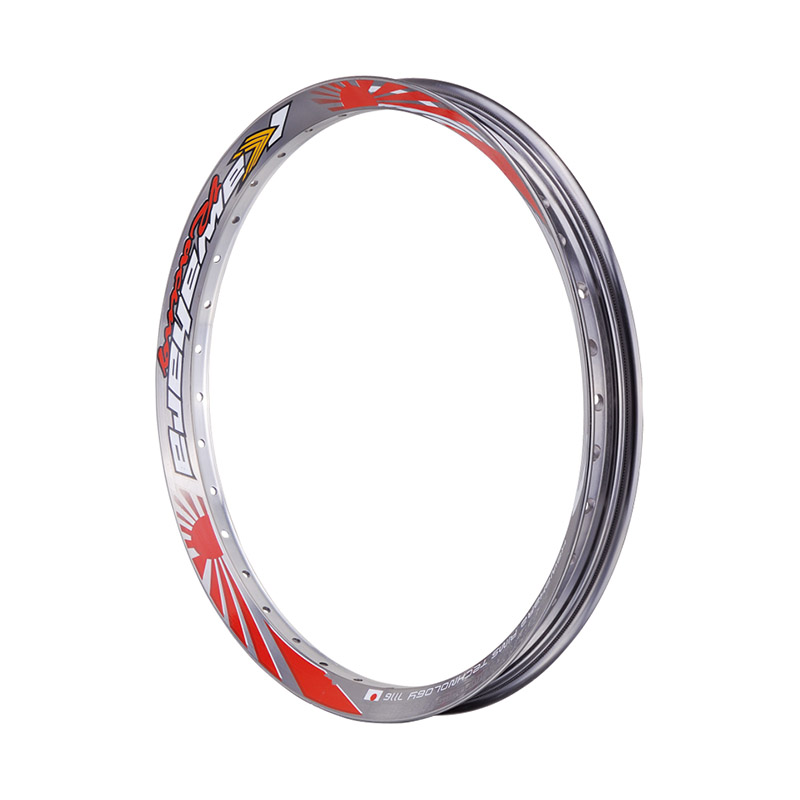
A 17-inch rear dirt bike wheel refers to a rim with a 17-inch bead seat diameter, commonly found on supermoto conversions, pit bikes, and small-displacement street-legal dual sports (e.g., Kawasaki KLX230SM, Yamaha XT250). A 125cc dirt bike back rim is typically 16 inches or 14 inches on youth bikes (e.g., Yamaha YZ85 has 14-inch rear; KTM 125 SX has 19-inch rear), but full-size 125cc motocross bikes (Honda CR125, Yamaha YZ125) use an 19-inch rear rim—not 17. This is where the confusion starts.
The common terminology trap
Search logs show the query 125cc dirt bike back rim often comes from parents looking for replacement wheels for kids' bikes. But here is the critical distinction: A 125cc engine displacement does not dictate rim size. Chassis size does.
Full-size 125cc motocross bike (adult frame): 19-inch rear rim (or 18-inch on enduro versions like the YZ125X). Not 17.
Small-wheel 125cc bike (youth frame, e.g., Honda CRF125F): 16-inch rear rim. Not 17.
Supermoto conversion of a 125cc motocross bike: Some owners downsize from a 19-inch rear to a 17-inch rear to mount street tires (120/70-17). This is the only overlap.
The Engineering Purpose of Each Rim Size
The 17-Inch Rear Wheel – Built for Pavement and Grip
A 17-inch rear wheel exists predominantly for supermoto and small adventure bikes. The smaller diameter (compared to 18 or 19 inches) achieves two things:
- Lower rotational inertia: A 17-inch wheel accelerates quicker out of corners. The mass sits closer to the axle. Search for 17 inch supermoto rear wheel acceleration advantage finds forum dyno tests showing 0–60 mph improvements of 0.2–0.4 seconds compared to 19-inch wheels on identical bikes.
- Wider tire availability: The 17-inch size is the street motorcycle standard. You can mount radial sportbike tires (e.g., 150/60-17) with compounds and profiles developed for asphalt. No knobby conversions needed.
- The trade-off: A 17-inch wheel rolls over rocks and ruts poorly. The smaller diameter drops into holes rather than bridging them. Off-road, it is a liability.
The 125cc Dirt Bike Back Rim – Two Very Different Bikes
Because "125cc" covers both youth and adult bikes, let me split them:
|
Bike Type
|
Typical Rear Rim Size
|
Tire Size
|
Bike Example
|
|
Youth 125cc (small wheel)
|
14 or 16 inches
|
80/100-14, 90/100-16
|
Honda CRF125F, Kawasaki KLX140
|
|
Youth 125cc (big wheel)
|
16 inches
|
90/100-16
|
Kawasaki KLX140L
|
|
Adult 125cc motocross
|
19 inches
|
100/90-19 or 110/90-19
|
Yamaha YZ125, Husqvarna TC125
|
|
Adult 125cc enduro
|
18 inches
|
110/100-18
|
Yamaha YZ125X, KTM 125 XC-W
|
When You Would Actually Encounter Each
Use for a 17-Inch Rear Dirt Bike Wheel:
- Supermoto conversion: Take a 125cc or 250cc motocross bike (with 19-inch rear). Lace a 17-inch rim to the stock hub. Mount street tires. Race on go-kart tracks or canyon pavement.
- Pit bike customization: Honda CRF110 or SSR 125 pit bikes often get 12-inch front and 10-inch rear stock. Upgrading to a 14-inch or 17-inch rear is not standard—17 would be too tall for the frame geometry.
- Small dual sport replacement: A damaged 17-inch rear on a bike like the Kawasaki KLX230SM (supermoto from factory) needs a direct replacement. Search for 17 inch rear dirt bike wheel for KLX230SM specifically.
Use for a 125cc Dirt Bike Back Rim (by subcategory):
- Youth bike repair: A bent 14-inch or 16-inch rear rim on a Honda CRF125F. Parent searches for 125cc dirt bike back rim 16 inch replacement. The key spec is spoke count (usually 32 or 36) and hub compatibility.
- Adult 125cc motocross rim replacement: A cracked 19-inch Excel rim on a YZ125. The search query is 19 inch rear rim for Yamaha YZ125 – never "125cc back rim" because that is too vague.
- Enduro wheel swap: A YZ125X owner buying an 18-inch rear rim for better rock protection (taller sidewall). Search: 18 inch rear wheel conversion YZ125.
Side-by-Side Technical Differences
Because a direct stock vs. stock comparison is apples to oranges (a 17-inch rear rarely comes on a 125cc dirt bike from factory), here is the closest real-world comparison: a Yamaha YZ125 (19-inch rear) vs. a supermoto-converted YZ125 (17-inch rear).
|
Parameter
|
17-Inch Rear (Supermoto Conversion)
|
19-Inch Rear (Stock YZ125 Motocross)
|
|
Typical tire size
|
150/60-17 radial
|
100/90-19 knobby
|
|
Tire weight (approx)
|
12–14 lbs
|
9–11 lbs
|
|
Wheel + tire total weight
|
Lighter (smaller rim, heavier tire)
|
Heavier (larger rim, lighter tire)
|
|
Acceleration feel
|
Snappier out of corners
|
Slower initial, better rollover
|
|
Obstacle rollover (rocks, roots)
|
Poor (drops into gaps)
|
Excellent (bridges gaps)
|
|
Pavement grip
|
Outstanding (radial sport tire)
|
Poor (knobby squirm)
|
|
Top speed at same gearing
|
Lower (smaller circumference)
|
Higher (larger circumference)
|
|
Search query for buyers
|
17 rear supermoto wheel dirt bike
|
19 rear motocross rim 125cc
|
The same comparison for a youth 125cc (16-inch rear) vs. a 17-inch rear:
|
Parameter
|
16-Inch Rear (CRF125F Big Wheel)
|
17-Inch Rear (Not compatible)
|
|
Seat height impact
|
Lower (4–6 inches lower than 17)
|
Would raise seat height significantly
|
|
Tire availability
|
Limited (youth knobbies)
|
Wide (street tires)
|
|
Reason to avoid 17 on youth bike
|
Does not fit swingarm clearance
|
Frame not designed for larger diameter
|


 English
 Español


 浙公网安备33071802889078

