

 English
 Español
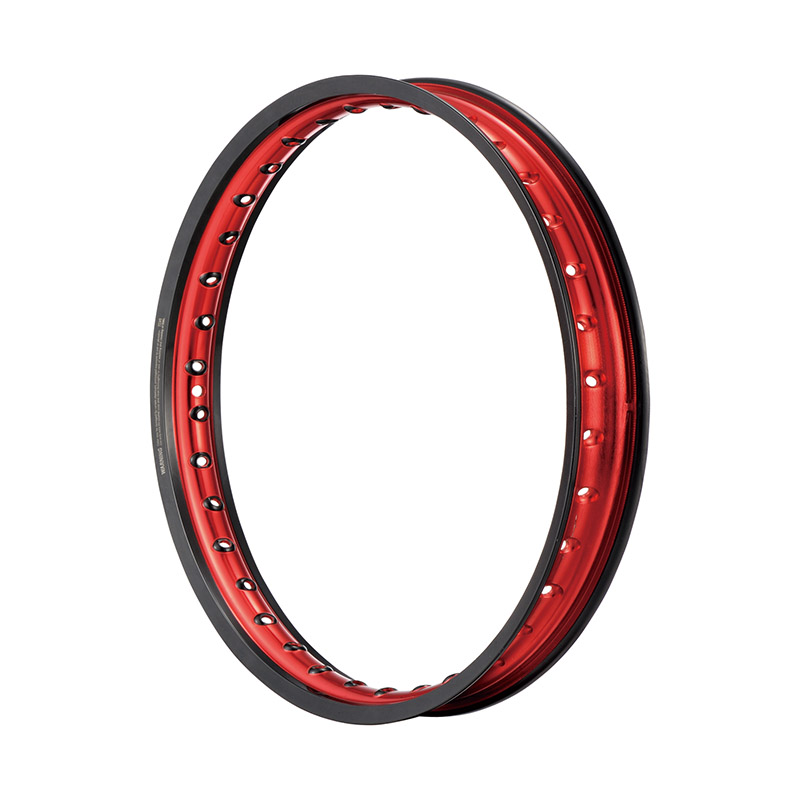
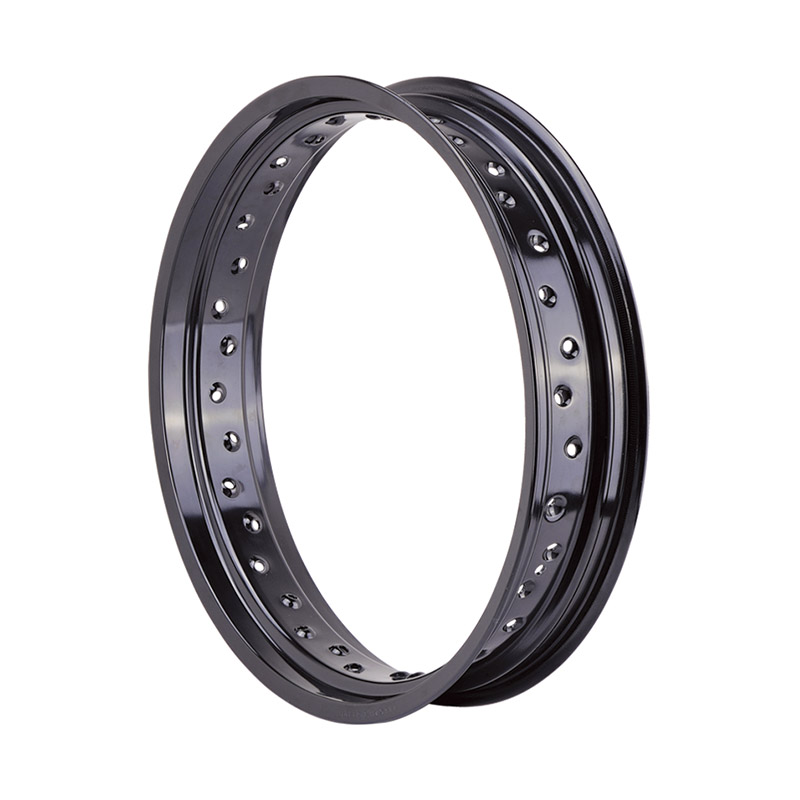
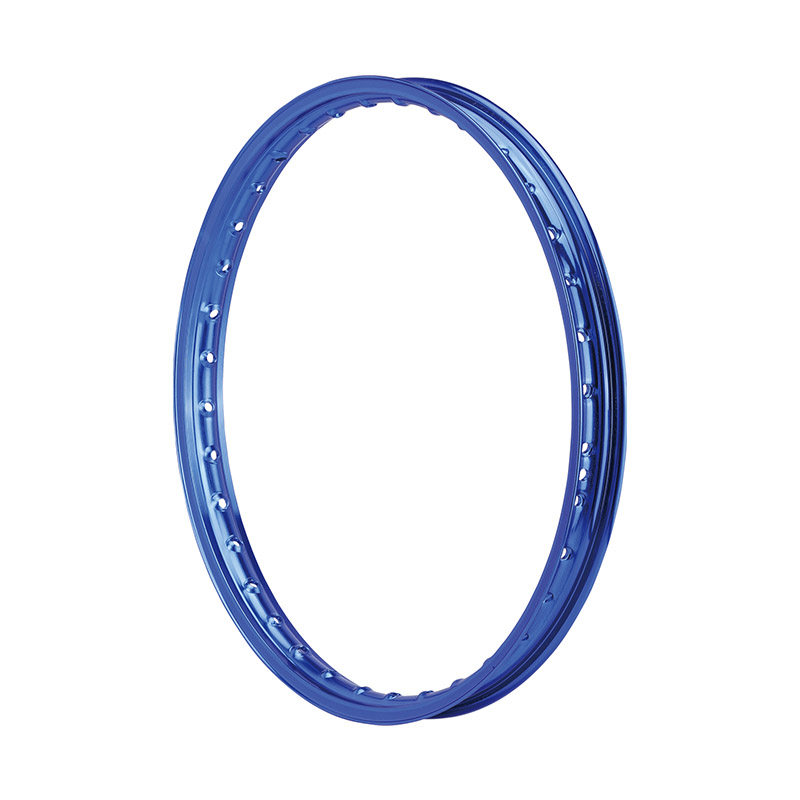
Motorcycle riders have always looked for ways to improve handling, appearance, and overall riding confidence. Among different wheel designs, aluminum alloy wheels have become a common choice for sport motorcycles, street bikes, and customized performance models. The combination of lightweight construction, strong material properties, and modern styling makes the Aluminum Alloy Motorcycle Wheel Rim an important component in motorcycle upgrades.
A motorcycle wheel does much more than support the tire. It affects acceleration response, cornering stability, braking feedback, and suspension behavior. Aluminum alloy rims are designed to provide a rigid and lightweight platform that helps riders achieve a more responsive riding experience. Compared with traditional steel wheel designs, aluminum alloy structures offer advantages in weight control and manufacturing flexibility.

The Role of Aluminum Alloy in Motorcycle Wheel Design
Aluminum alloy is widely used in motorcycle wheels because it provides a practical balance between strength and weight. Common materials include 6061 and 7000-series aluminum alloys, which are processed through casting, forging, or machining methods to achieve different performance characteristics.
- Lightweight structure: Reduces rotating mass and helps improve handling response.
- High structural strength: Supports braking forces, cornering loads, and acceleration stress.
- Corrosion resistance: Provides better durability in outdoor riding environments.
- Design flexibility: Allows manufacturers to create different spoke patterns and rim shapes.
The material choice is especially important for performance motorcycles because wheels experience continuous forces from road contact. Research on motorcycle wheel structures shows that aluminum-based materials are commonly used in performance applications because they provide strength while helping reduce overall weight.
Common Aluminum Alloy Motorcycle Wheel Rim Specifications
| Specification | Typical Range | Performance Influence |
| Material | 6061-T6 / 7075 Aluminum Alloy | Balances strength and lightweight construction |
| Wheel Diameter | 17–21 inches | Matches sport, street, and adventure applications |
| Rim Width | 1.85–6.00 inches | Affects tire compatibility and cornering feel |
| Manufacturing Method | Cast / Forged / CNC Machined | Determines structural characteristics and appearance |
| Surface Treatment | Anodizing or Powder Coating | Improves surface protection and visual appeal |
How Alloy Rims Influence Motorcycle Handling
Performance riders pay close attention to wheel response because wheels are part of the motorcycle's unsprung mass. A lighter wheel assembly can help the suspension react more quickly to road changes, while a rigid rim structure provides more direct feedback during cornering.
Compared with flexible spoke wheel designs, alloy wheels usually provide a stiffer connection between the hub and rim. This characteristic can create a more precise feeling during fast direction changes, braking, and highway riding.
- Sharper steering response: Reduced wheel movement helps riders maintain accurate control.
- Stable cornering: Rigid wheel structures support consistent tire contact.
- Improved braking feel: Stronger wheel support helps manage braking forces.
Why Sport Motorcycles Often Use Alloy Wheel Designs
Sport motorcycles require components that can handle high-speed riding conditions. Wheels must remain stable during aggressive acceleration, rapid braking, and frequent cornering. Aluminum alloy rims provide a structure that matches these demands.
Many road-focused motorcycles use cast or forged aluminum wheels because they can support tubeless tires, offer consistent dimensional accuracy, and provide a clean aerodynamic appearance. Alloy wheels are also easier to integrate with modern braking systems, including large disc brakes and advanced ABS technology.
Performance Benefits for Different Riding Situations
| Riding Situation | Wheel Advantage | Rider Experience |
| High-Speed Highway Riding | Rigid structure and stable balance | More predictable handling |
| Sport Cornering | Reduced flex during direction changes | Improved confidence while leaning |
| Daily Urban Riding | Tubeless tire compatibility | Convenient tire management |
| Motorcycle Customization | Various designs and finishes | Personalized appearance |
Aluminum Alloy Rims Compared With Spoke Wheels
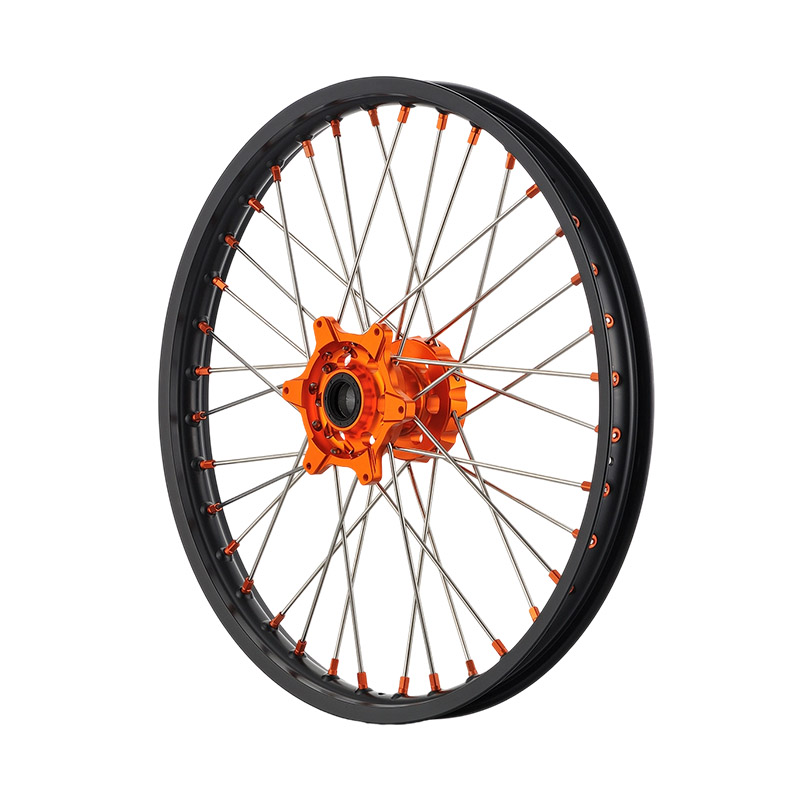
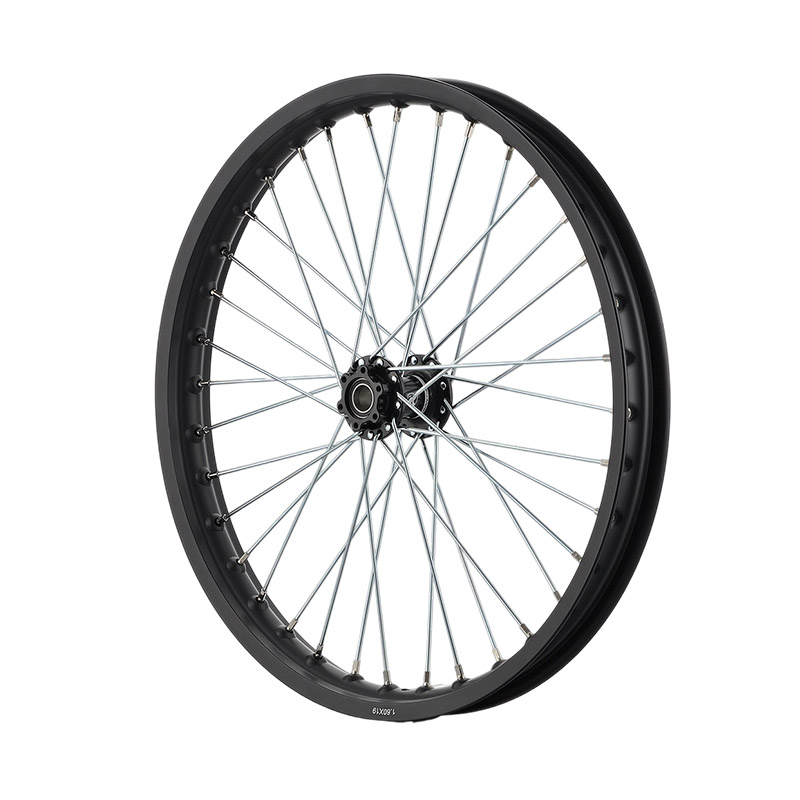
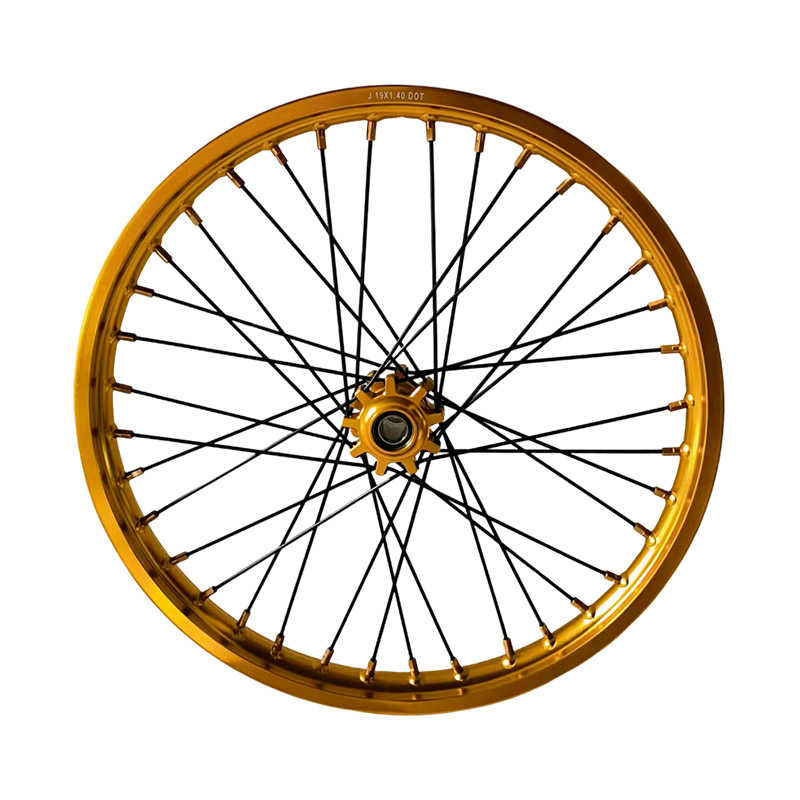
Both alloy wheels and spoke wheels have their own advantages. The ideal choice depends on riding conditions, motorcycle type, and personal preference. Spoke wheels are commonly associated with adventure and off-road motorcycles because they can absorb impacts through their flexible structure. Alloy wheels are frequently chosen for road performance because of their rigidity and tubeless compatibility.
| Feature | Aluminum Alloy Rim | Spoke Rim |
| Structure | One-piece cast or forged design | Hub connected through multiple spokes |
| Road Handling | Strong stability and precise feedback | More flexible response |
| Maintenance | Requires fewer adjustments | May require spoke tension checks |
| Main Applications | Sport, street, touring motorcycles | Adventure and off-road motorcycles |
Manufacturing Features That Improve Rim Performance
Modern aluminum alloy motorcycle wheels use advanced manufacturing processes to improve strength and reduce unnecessary weight. Different production methods create different performance characteristics.
Cast Aluminum Alloy Wheels
Casting is widely used for motorcycle wheels because it allows efficient production of complex shapes. Cast wheels provide good structural consistency and are suitable for many street motorcycle applications.
Forged Aluminum Alloy Wheels
Forged wheels use pressure and heat to reshape aluminum material, creating a denser structure. This process can improve strength-to-weight performance and is often used in higher-performance motorcycle applications.
CNC Machined Wheel Designs
CNC machining allows precise control over spoke shapes, rim profiles, and surface details. These wheels are often selected for premium customization projects where both appearance and engineering precision matter.
Important Factors Before Upgrading Motorcycle Alloy Rims
Choosing an alloy wheel requires attention to more than appearance. Riders should consider compatibility, riding style, and technical specifications before making an upgrade.
- Wheel size compatibility: Diameter and width must match the motorcycle frame and tire requirements.
- Load capacity: The rim should support the motorcycle weight and riding conditions.
- Brake compatibility: Wheel design should match disc brake and ABS systems.
- Material quality: Proper aluminum alloy selection affects durability and performance.
Aluminum Alloy Wheels Continue Shaping Motorcycle Performance
Motorcycle wheel development continues to focus on improving the connection between rider, machine, and road surface. Aluminum alloy rims remain popular because they combine practical durability with performance-oriented characteristics.
The popularity of the Aluminum Alloy Motorcycle Wheel Rim comes from its ability to support modern riding demands. Whether used on sport motorcycles, street bikes, or customized models, alloy wheel technology provides riders with improved control, attractive designs, and reliable performance.
As motorcycle designs continue evolving, wheel materials and structures will keep improving. Aluminum alloy remains an important choice because it delivers a balanced solution between strength, weight, and riding performance.
 浙公网安备33071802889078

