

 English
 Español
Off-road motorcycles face challenges that ordinary street bikes rarely encounter. Rocky trails, deep sand, muddy paths, sharp obstacles, and repeated impacts place continuous stress on every wheel component. A motorcycle wheel designed for hard riding must provide a balance of strength, flexibility, weight control, and reliable performance across unpredictable surfaces.
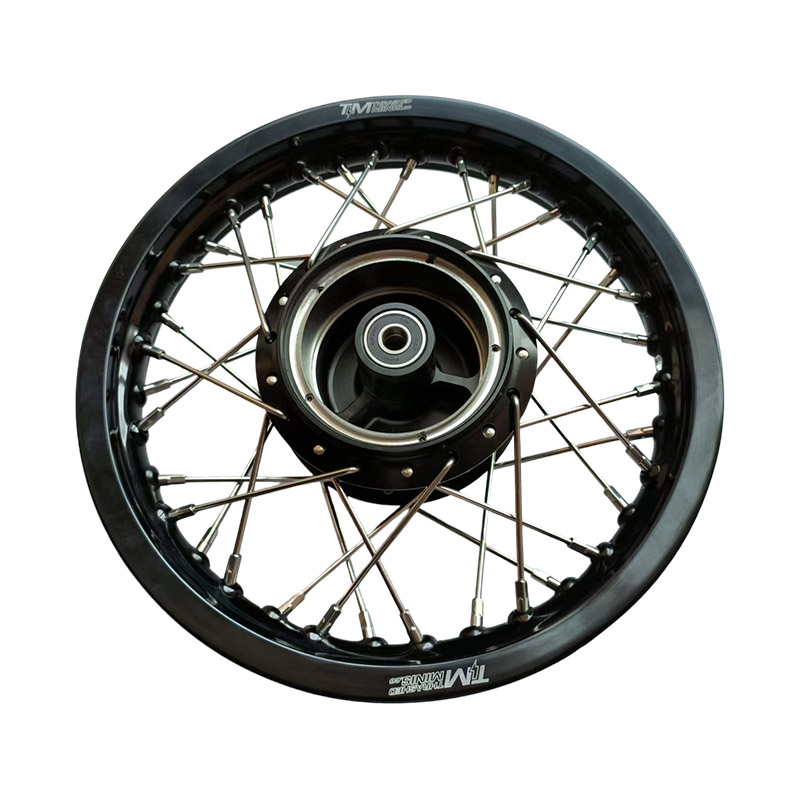
A High-performance Off-road Motorcycle Wheel is not simply a larger or stronger version of a standard wheel. It is engineered around the unique demands of off-road riding, where impact resistance, traction support, and structural stability directly influence rider control. Spoke structures, reinforced rims, lightweight alloys, and advanced manufacturing processes all contribute to better performance in demanding environments. Spoke wheels are widely used in off-road applications because their flexible structure can distribute impact forces across multiple components rather than concentrating stress in one area.

The Engineering Requirements Behind Extreme Terrain Performance
Riding on smooth pavement creates relatively predictable forces. Off-road conditions are different because wheels must constantly react to uneven ground. A single landing after a jump or a direct hit against a rock can generate significant radial and lateral loads.
A capable off-road wheel needs to handle several types of stress during operation:
- Impact stress: Generated by rocks, potholes, tree roots, and sudden terrain changes.
- Lateral force: Created during sharp cornering on loose surfaces.
- Torque load: Produced during acceleration and braking.
- Fatigue stress: Accumulated through repeated riding cycles.
Wheel manufacturers usually focus on improving the connection between the hub, spokes, and rim because these areas transfer more of the mechanical load. Proper spoke tension and durable rim materials help maintain wheel alignment during long-term off-road use.
Main Components of an Off-Road Motorcycle Wheel
| Component | Common Material | Performance Function |
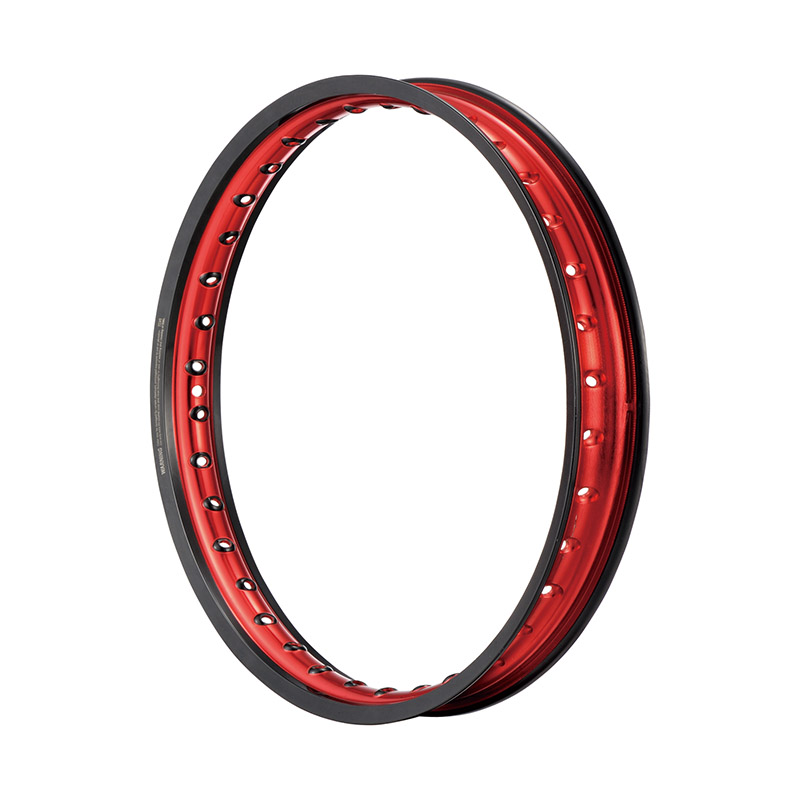
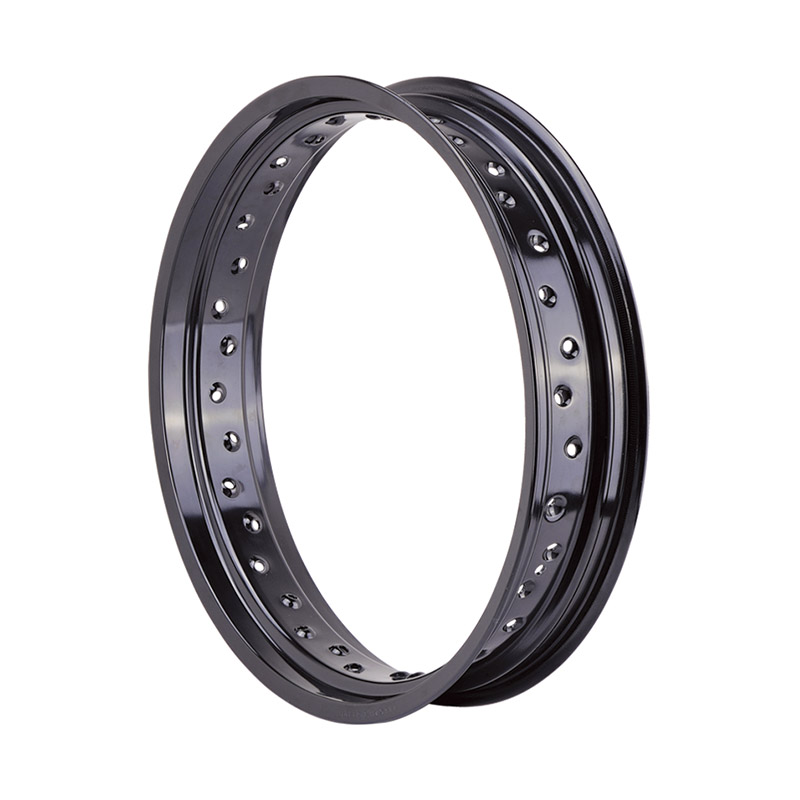
| Rim | 6061-T6 Aluminum Alloy | Provides lightweight strength and impact resistance |
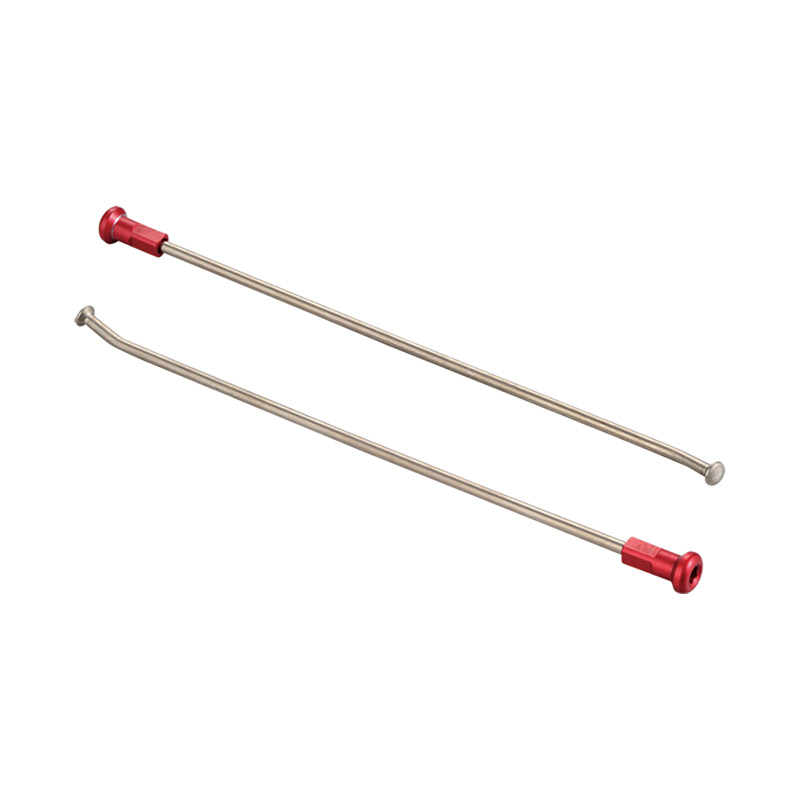
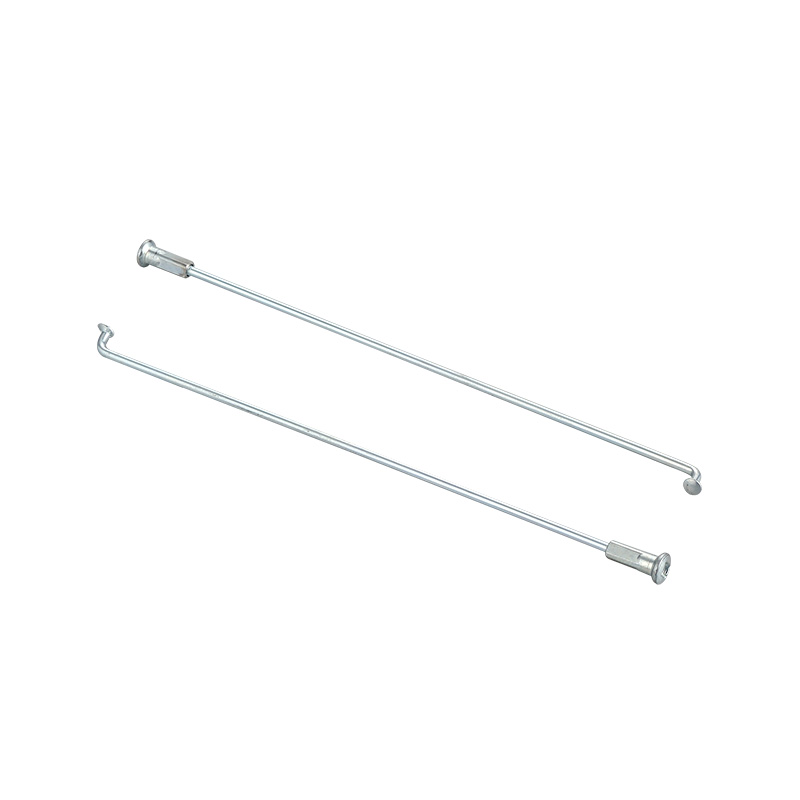
| Spokes | Stainless Steel | Transfers loads between hub and rim |
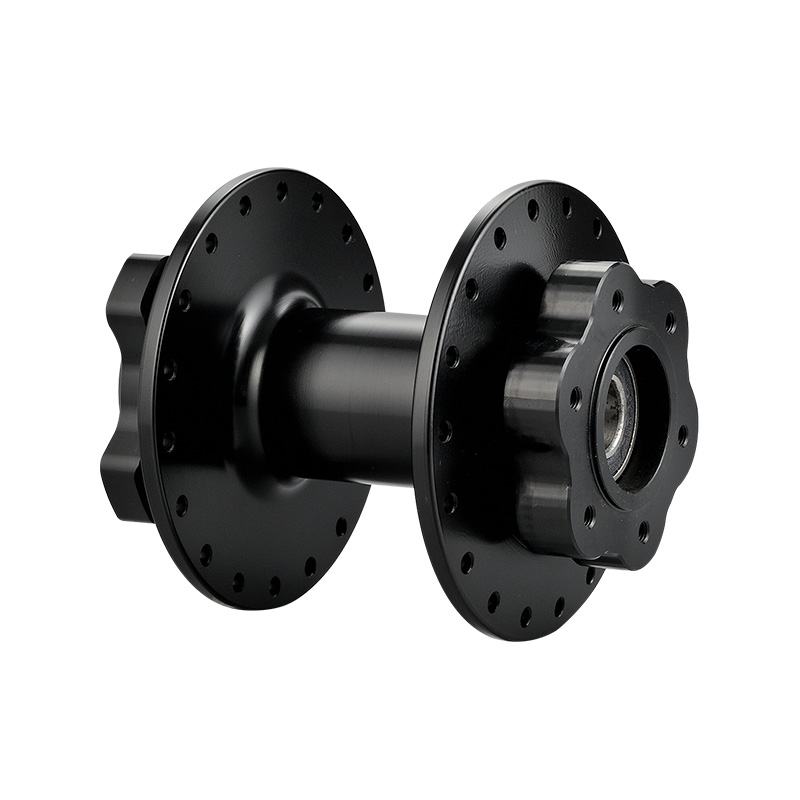
| Hub | Forged Aluminum Alloy | Supports axle connection and rotation stability |
| Nipples | Aluminum or Steel | Allows spoke adjustment and tension control |
| Bearings | Sealed Steel Bearings | Maintains smooth wheel rotation in harsh conditions |
Why Wheel Flexibility Matters on Rough Trails
One important difference between off-road wheels and regular street wheels is controlled flexibility. A rigid wheel may provide precise handling on smooth roads, but hard terrain requires a structure that can absorb sudden forces.
Spoke wheel designs create a tension-based support system. The individual spokes work together to spread energy throughout the wheel assembly. During hard impacts, the structure can slightly flex instead of transferring all force into a single area. This characteristic helps reduce the risk of immediate structural damage during aggressive riding conditions.
- Better impact distribution: Multiple spokes share the load created by obstacles.
- Improved terrain response: The wheel can adapt to changing surfaces.
- Repair flexibility: Individual spoke adjustment can help restore wheel alignment.
Material Selection Determines Wheel Capability
The material used for an off-road wheel affects its strength, weight, corrosion resistance, and service life. Aluminum alloy has become a common choice because it offers a practical balance between durability and reduced unsprung weight.
Many performance-oriented wheels use aluminum alloys such as 6061-T6. This material provides good tensile strength while allowing manufacturers to create rims that remain lightweight enough for responsive handling.
Comparison of Common Motorcycle Wheel Materials
| Material | Advantages | Typical Application |
| 6061-T6 Aluminum Alloy | Lightweight, corrosion-resistant, strong | Adventure and off-road motorcycles |
| Steel | High toughness and impact tolerance | Heavy-duty motorcycles |
| Carbon Fiber | Low weight and advanced stiffness control | Specialized performance applications |
| Cast Aluminum | Rigid structure and clean appearance | Street-focused motorcycles |
Wheel Size and Tire Compatibility Affect Trail Performance
Wheel dimensions influence how a motorcycle behaves on different surfaces. Off-road motorcycles often use larger front wheels because they can roll over obstacles more easily and maintain better directional stability on uneven terrain.
Common off-road wheel combinations include a 21-inch front wheel and an 18-inch rear wheel for full-size adventure and dirt motorcycles. These sizes provide space for tires with taller sidewalls, helping absorb impacts and improve traction on loose ground.
| Wheel Size | Riding Characteristic | Common Usage |
| 21-inch Front Wheel | Improved obstacle crossing ability | Enduro and adventure riding |
| 18-inch Rear Wheel | Strong traction and durability | Dirt and mixed terrain riding |
| 19-inch Front Wheel | Balanced road and trail performance | Adventure touring motorcycles |
| 17-inch Wheel Set | Responsive handling on paved surfaces | Supermoto and street motorcycles |
Protection Features Built for Harsh Environments
Extreme terrain exposes wheels to water, mud, dust, and temperature changes. A durable off-road wheel design must consider environmental protection as well as mechanical strength.
- Anodized aluminum finish: Helps improve surface protection against corrosion.
- Sealed bearings: Reduce contamination from dirt and moisture.
- Reinforced spoke design: Supports repeated impact cycles.
- Tubeless compatibility: Provides easier tire management for some adventure applications.
How High-performance Wheels Improve Rider Control
A motorcycle wheel directly affects handling feedback. On loose surfaces, riders depend on predictable wheel behavior to maintain balance and adjust their riding line. A properly designed off-road wheel helps the tire maintain contact with the ground while reducing unnecessary vibration.
The combination of lightweight construction and structural strength allows riders to control the motorcycle more confidently during acceleration, braking, and cornering. Reduced unsprung weight can also improve suspension response because the suspension system can react more effectively to terrain changes.
Choosing the Right Wheel Design for Different Adventures
Different riders have different requirements. A weekend trail rider may prioritize durability and easy maintenance, while an adventure traveler covering thousands of kilometers may need a wheel that performs across highways, gravel roads, and remote trails.
| Riding Scenario | Recommended Wheel Characteristics |
| Rocky Trails | High impact resistance and reinforced spoke structure |
| Sand Riding | Lightweight design with suitable tire compatibility |
| Adventure Touring | Balanced durability and long-distance reliability |
| Competition Off-Road | Low weight with precise handling response |
Off-Road Wheel Technology Continues to Evolve
Modern off-road motorcycle wheels combine traditional designs with updated engineering methods. Improved aluminum alloys, advanced spoke systems, and precision manufacturing allow riders to explore more challenging environments while maintaining better control.
A High-performance Off-road Motorcycle Wheel represents a combination of material science, structural design, and real-world riding experience. From mountain trails to desert paths, the right wheel provides the foundation needed for stability, traction, and confidence.
As motorcycles continue to explore more harsh environments, wheel development will remain focused on creating stronger structures, smarter designs, and improved riding experiences. The wheel is not only a support component; it is a key connection between the motorcycle and the terrain beneath it.


 浙公网安备33071802889078

