

 English
 Español
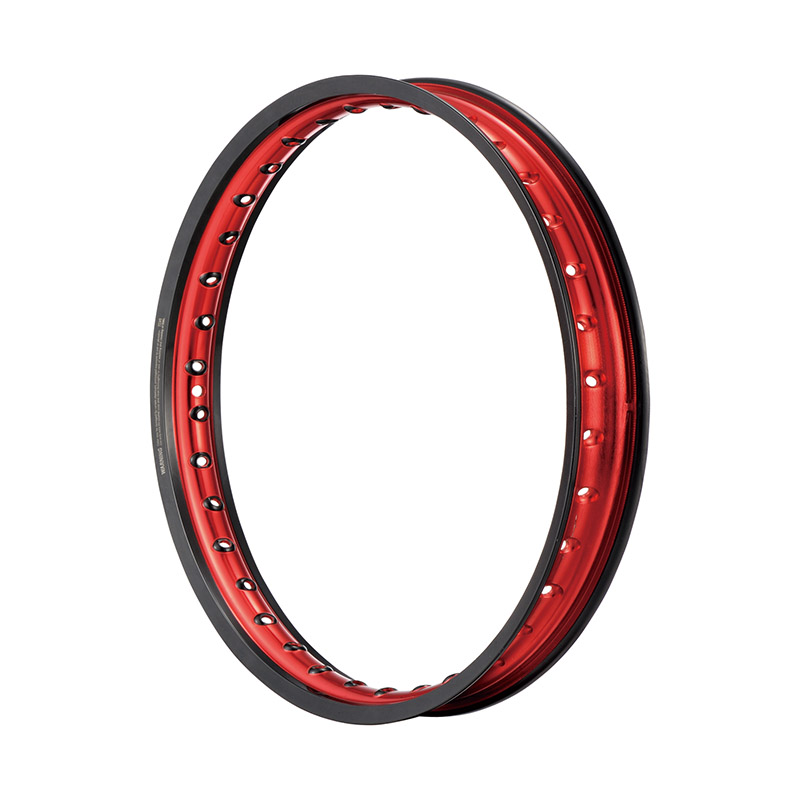
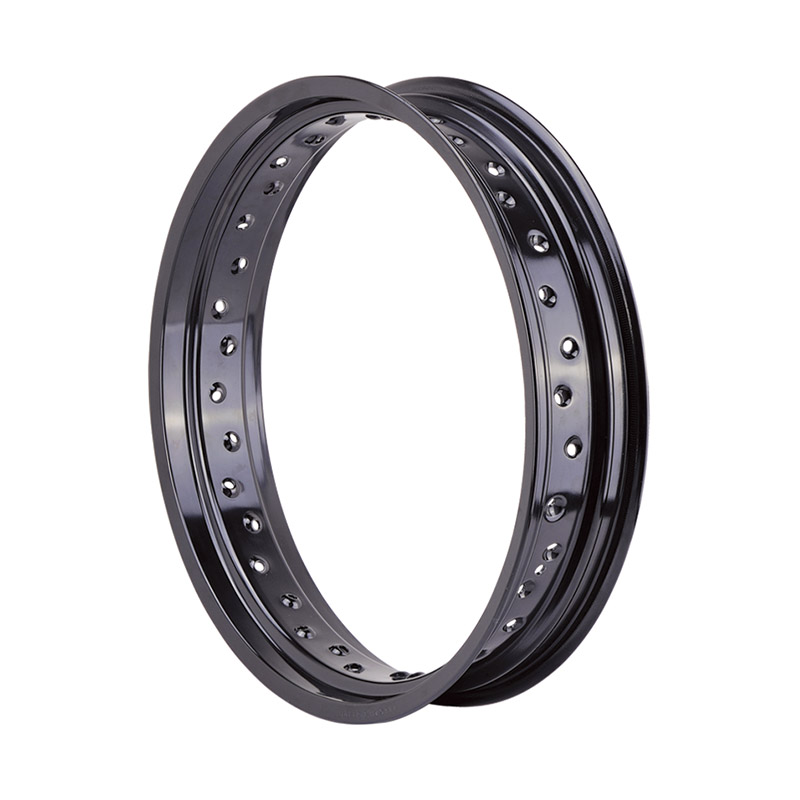
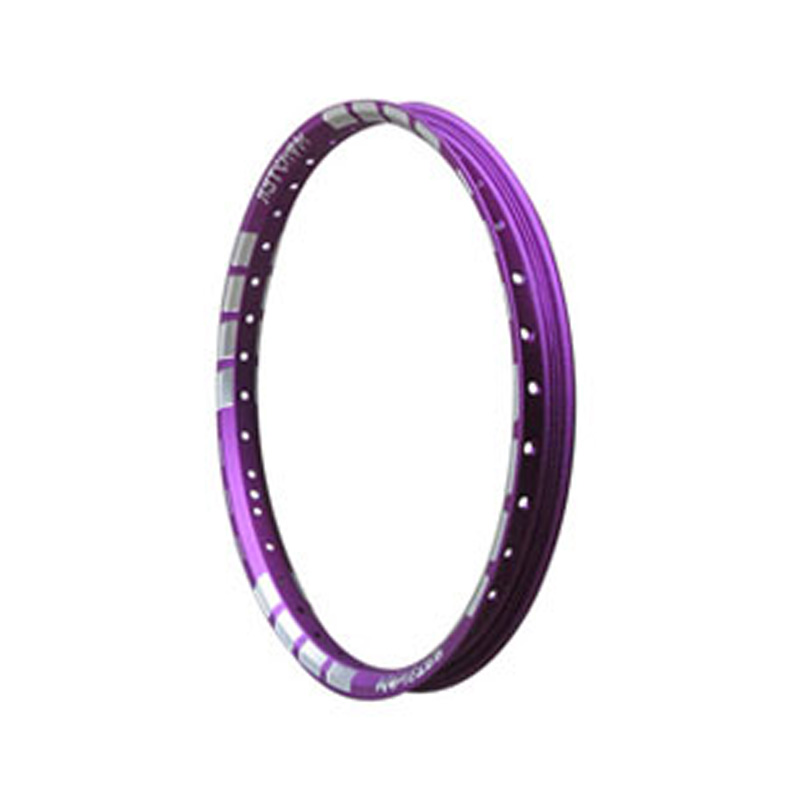
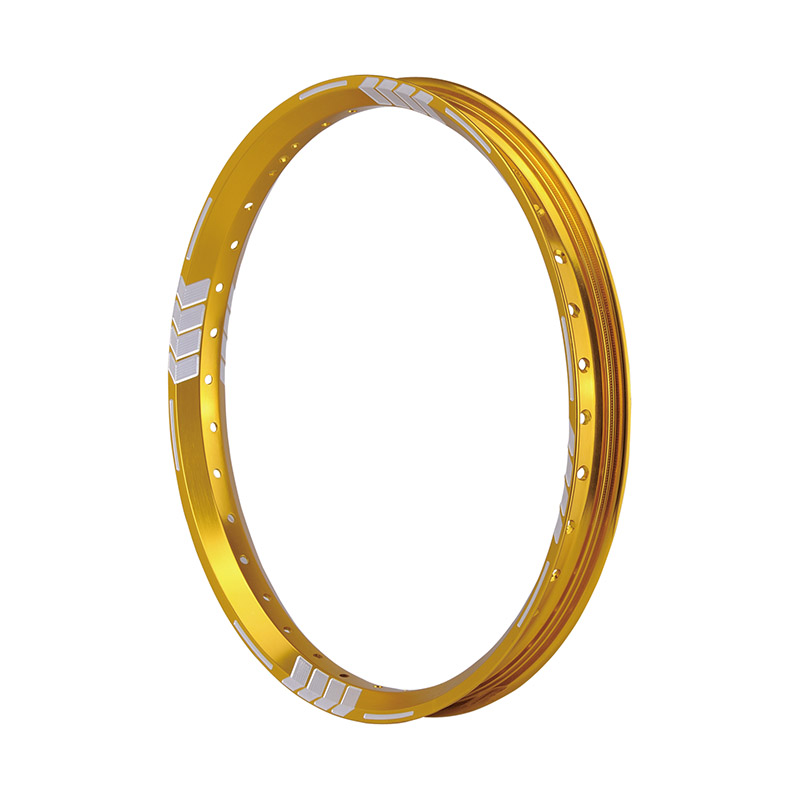
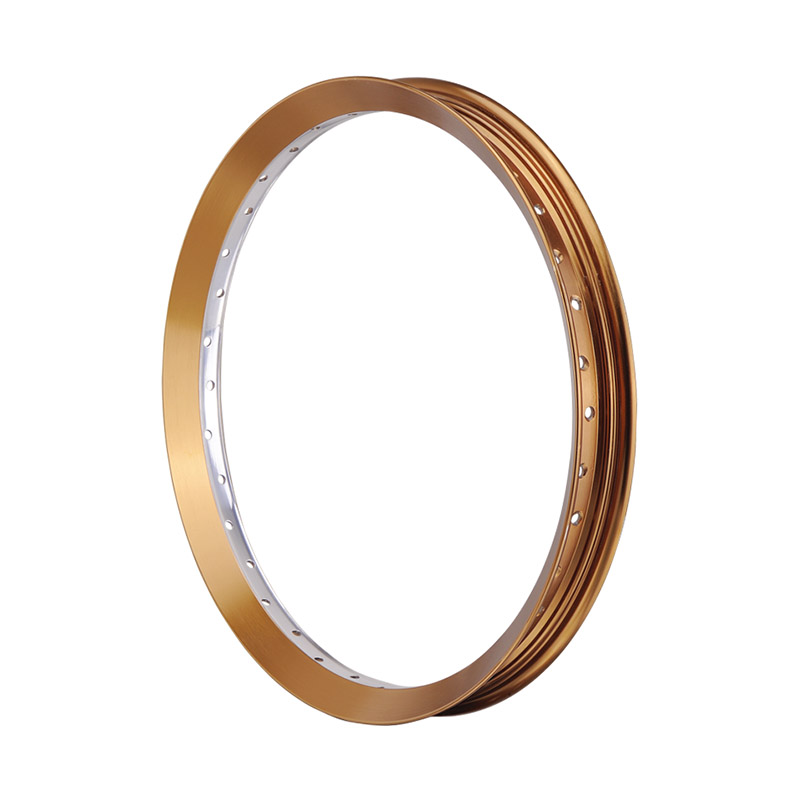
Small wheels are part of what makes a pit bike different from a full-size dirt motorcycle. Their compact dimensions make the bike easier to control, reduce seat height, and suit tight tracks and recreational off-road riding. Yet buying Wheel Rims for Dirt Pit Bike is not simply a matter of matching a diameter.
A pit bike wheel needs to work with the tire, hub, axle, brake system, swingarm, fork, and available clearance. A wheel that looks correct on paper may still require different spacers or brake components. Understanding the specifications before purchasing can prevent compatibility problems and help riders build a more predictable setup.

Which Wheel Sizes Are Common on Pit Bikes?
Pit bikes use several wheel combinations, with 10-inch, 12-inch, 14-inch, and 17-inch diameters appearing across different models. Standard small-wheel motorcycles commonly use a 14-inch front and 12-inch rear arrangement, while larger “big-wheel” pit bikes may use a 17-inch front and 14-inch rear configuration.
| Configuration | Front Rim | Rear Rim | Typical Character |
| Small Wheel | 14 in | 12 in | Compact and easy to maneuver |
| Big Wheel | 17 in | 14 in | Higher stance and smoother obstacle rollover |
| Mini Setup | 10 in | 10–12 in | Small-frame recreational applications |
The exact combination varies by motorcycle design. A 125cc pit bike, for example, may be offered with either a 14/12 or 17/14 wheel package while retaining the same basic engine displacement. The wheel change affects chassis height and riding feel rather than simply adding engine power.
Does Rim Diameter Affect More Than Appearance?
Absolutely. Rim diameter influences the overall wheel-and-tire diameter, ground clearance, steering behavior, and ability to pass over bumps.
- Smaller wheels: keep the motorcycle closer to the ground and can feel responsive on tight tracks.
- Larger wheels: generally roll across ruts, roots, and uneven sections more smoothly.
- Higher wheel diameter: can raise the chassis and alter rider position.
- Different wheel geometry: may change steering response and suspension behavior.
Rider discussions about pit bikes also point out that moving from a 14/12 configuration to 17/14 can increase ground clearance and create a riding feel closer to a larger dirt motorcycle. However, the conversion can affect tire clearance, brake positioning, spacers, and drivetrain geometry.
Read the Tire Size Before Ordering the Rim
Tire markings provide an important clue about rim compatibility. A marking such as 80/100-12 indicates a tire designed around a 12-inch rim diameter. A 70/100-17 tire, by comparison, is designed around a 17-inch rim.
| Example Tire | Rim Diameter | Potential Application |
| 60/100-12 | 12 in | Small pit bike rear applications |
| 70/100-14 | 14 in | Small or big-wheel configurations |
| 70/100-17 | 17 in | Big-wheel front applications |
| 90/100-14 | 14 in | Big-wheel rear applications |
Common pit bike tire references show 12-inch, 14-inch, and 17-inch formats across different motorcycle sizes. The final tire selection still needs to follow the tire manufacturer's approved rim-width range.
Rim Width Changes the Tire Profile
Diameter is only half of the wheel specification. Rim width also affects how the tire sits on the wheel.
A narrower rim generally creates a different tire profile than a wider rim. The difference can influence steering feel, contact shape, and sidewall behavior. This is particularly relevant for small pit bikes because the motorcycle has a compact chassis and relatively short wheelbase.
- Check the tire manufacturer's recommended rim-width range.
- Avoid assuming that a wider tire automatically requires a wider rim.
- Consider fork and swingarm clearance before increasing tire width.
- Check the complete tire-and-rim combination rather than either specification separately.
For example, pit bike rim widths can include specifications such as 1.40, 1.60, and 1.85 inches. These measurements describe the width of the rim where the tire bead seats and should be matched to the intended tire.
What About Axle Diameter?
This is a specification that can easily be overlooked. The wheel needs to fit the motorcycle's axle and mounting structure, not merely its tire.
Some pit bike applications use axle diameters around 12 mm or 15 mm. A wheel designed around a different axle specification may require different bearings, spacers, or other components.
| Specification | Why It Matters |
| Axle diameter | Determines compatibility with the fork or swingarm |
| Hub width | Controls wheel position within the chassis |
| Bearing size | Must match the axle and hub design |
| Spacer dimensions | Help center the wheel correctly |
| Brake rotor position | Must align with the caliper |
A mismatch here can turn an apparently simple wheel replacement into a modification project.
Can a Bigger Rim Be Installed on a Small Pit Bike?
Sometimes, but the diameter alone does not determine whether the conversion is practical.
Moving from 14/12 to 17/14 is a recognized big-wheel configuration. The larger wheels can raise the motorcycle and provide greater obstacle clearance, but they also occupy more physical space.
Before installing larger Wheel Rims for Dirt Pit Bike, riders should examine several areas:
- Front tire clearance: Check the distance between the tire and fork, fender, and other components.
- Rear clearance: Inspect the swingarm, chain area, and rear frame structure.
- Brake alignment: Confirm rotor and caliper positioning.
- Spacer arrangement: Larger wheels may require different spacers.
- Suspension travel: Check clearance at full compression, not just with the motorcycle parked.
Forum discussions about wheel-size conversions specifically mention potential contact between a larger front tire and the fork or head area, as well as rear tire interference near the swingarm.
Small Wheels vs. Big Wheels: Which Setup Makes Sense?
The answer depends heavily on rider size and terrain.
| Factor | 14/12 Small Wheel | 17/14 Big Wheel |
| Seat height | Lower | Higher |
| Low-speed maneuverability | Quick and compact | More substantial feel |
| Obstacle rollover | More sensitive to bumps | Generally smoother over rough ground |
| Rider fit | Shorter riders often prefer the lower stance | Taller riders may find the larger chassis more comfortable |
| Ground clearance | Lower | Higher |
Recent pit bike specifications show that wheel size can be used to create substantially different chassis configurations around the same engine platform. A 14/12 build can offer a lower seat, while a 17/14 build may use a taller chassis and longer suspension travel.
Wheel Material Is Only Part of the Specification
Aluminum alloy is common in aftermarket motorcycle rims because it combines relatively low weight with useful structural properties. However, buyers should look beyond the material name.
Rim profile, wall construction, spoke arrangement, hub design, machining accuracy, and surface treatment can all influence the finished wheel assembly.
- Review the stated alloy grade where available.
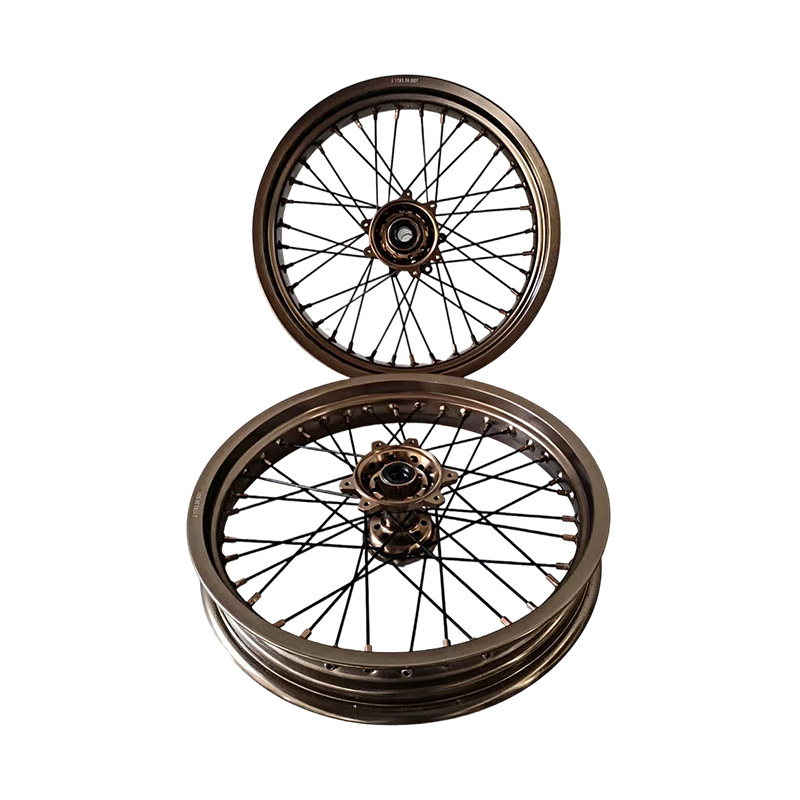
- Check whether the product is supplied as a bare rim or complete wheel.
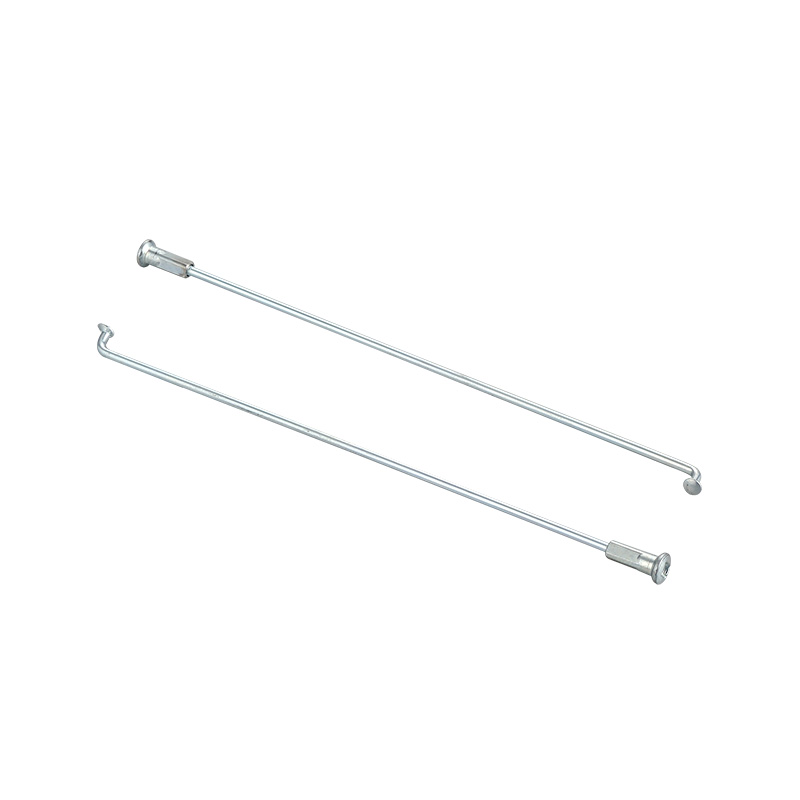
- Confirm spoke count and hub specifications.
- Ask about bearing and spacer configuration.
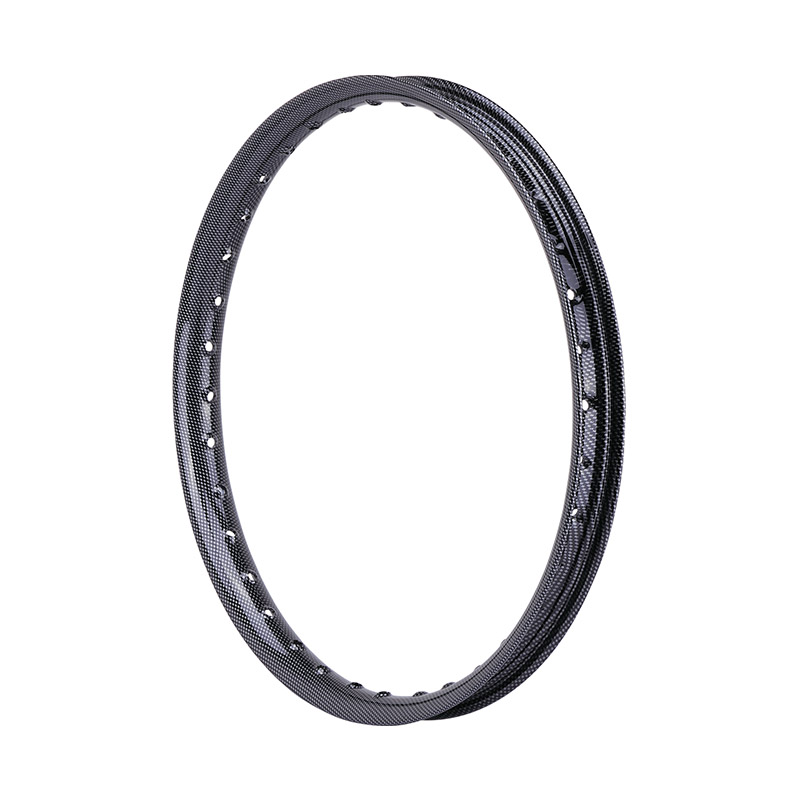
- Check the finish, especially for colored or anodized applications.
A Practical Fitment Checklist
Before purchasing Wheel Rims for Dirt Pit Bike, comparing the following specifications can save considerable time:
- Rim diameter
- Rim width
- Recommended tire size
- Axle diameter
- Hub width
- Bearing dimensions
- Spoke quantity and diameter
- Brake rotor diameter and offset
- Front and rear clearance
Taking these measurements from the motorcycle itself is especially useful for aftermarket upgrades. Model names can cover several versions with different axle, hub, brake, or suspension specifications.
The Right Rim Starts With the Whole Bike
Small pit bike wheels may look straightforward, but their dimensions have a direct relationship with the motorcycle's geometry. A 12-inch rear wheel is not interchangeable with a 14-inch rear wheel simply because both can be fitted with off-road tires. Diameter, width, axle dimensions, hub structure, brakes, and clearance must all work together.
The same principle applies to big-wheel conversions. A 17/14 setup can provide a taller stance and smoother behavior across rough sections, while a 14/12 arrangement keeps the motorcycle compact and accessible.
Rather than treating rim size as a visual upgrade, riders can approach the purchase as a complete fitment decision. Matching the rim to the tire, hub, axle, brakes, and chassis creates a wheel package that makes sense for the actual pit bike and the terrain it will encounter.
 浙公网安备33071802889078

