

 English
 Español
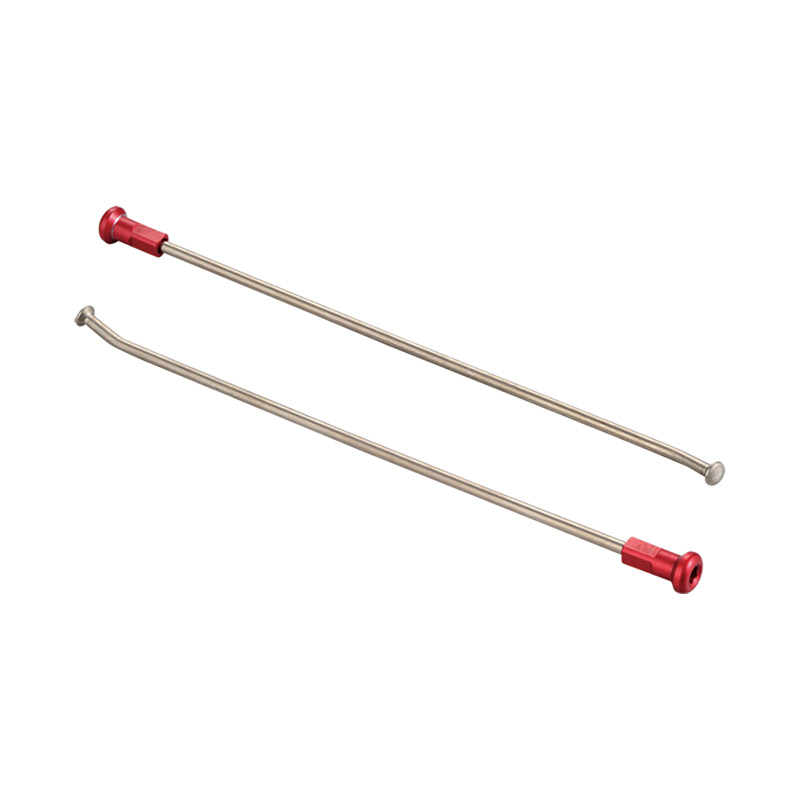
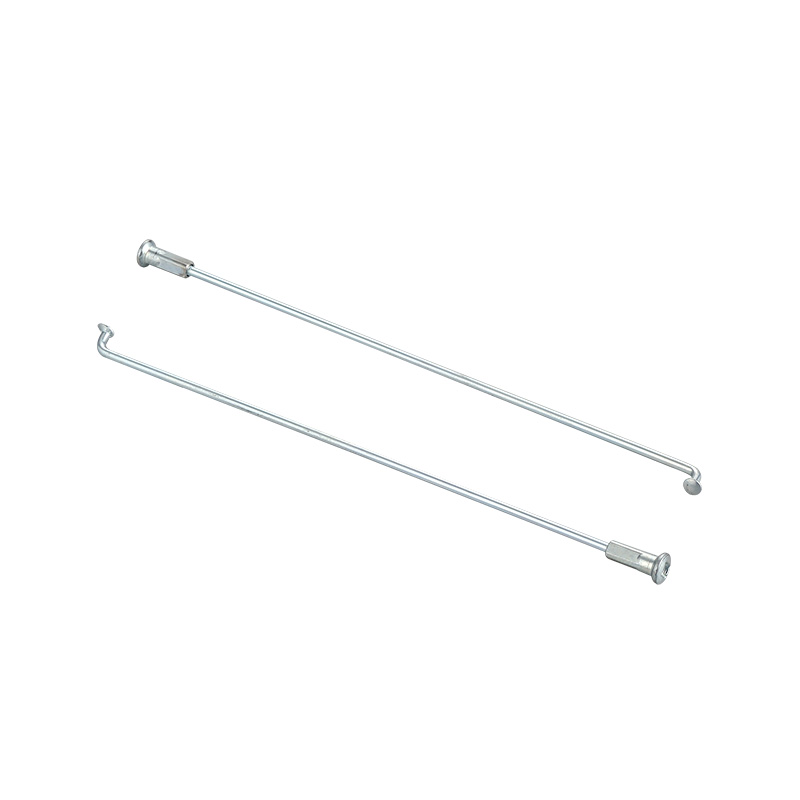
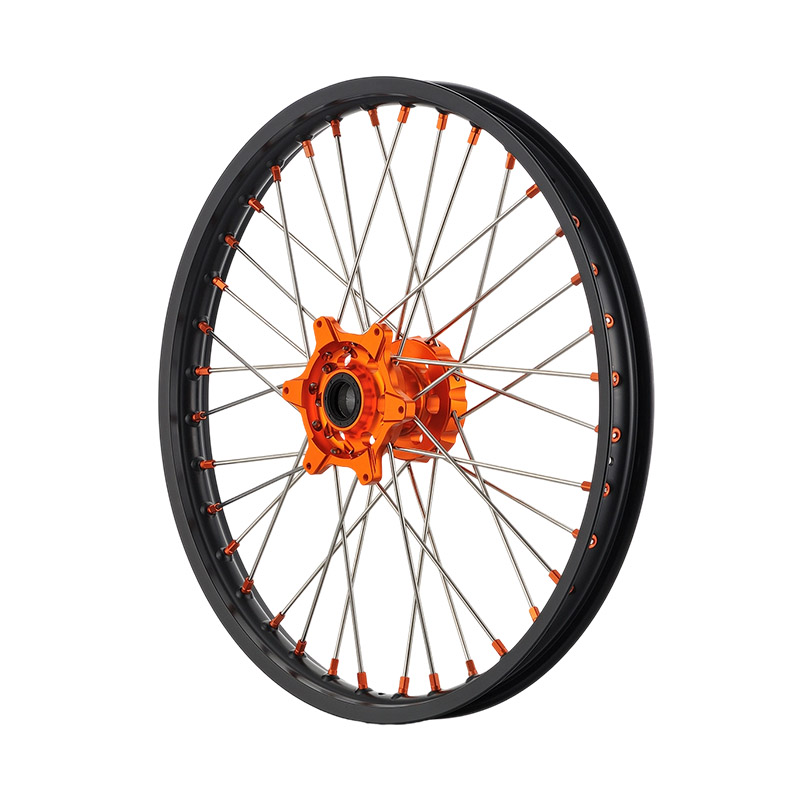
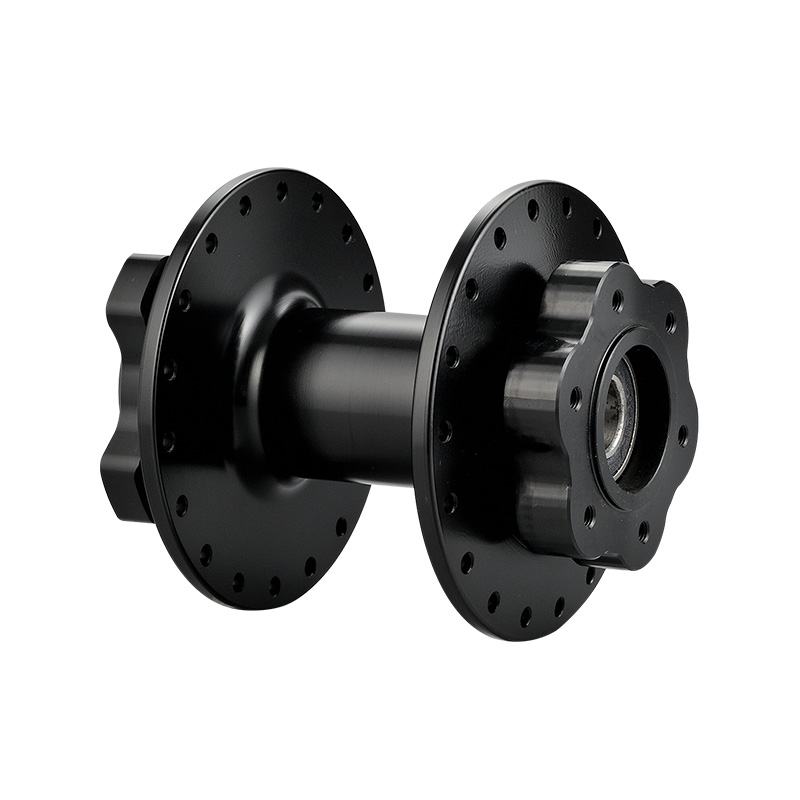
Motorcycle rim assembly is a core component of the two-wheeler industry, directly influencing safety, handling, load capacity, and riding comfort. A complete rim assembly typically includes the rim, spokes or cast wheel structure, hub, bearings, and sometimes pre-mounted tires and braking interfaces. Because motorcycles serve a wide range of transportation, recreational, and professional purposes, the market target for motorcycle rim assembly is not limited to a single customer group. Instead, it spans several overlapping segments.

OEM Manufacturers as the Core Market Target
The primary and stable market target for motorcycle rim assemblies is original equipment manufacturers. These are the companies that produce motorcycles for mass distribution across global markets. OEMs require large volumes of standardized rim assemblies that meet strict technical, safety, and regulatory requirements. Their purchasing decisions are driven by durability, cost control, production consistency, and compliance with national and international standards.
For commuter motorcycles, which dominate sales volumes in many regions, OEMs usually focus on steel-spoked rims or basic cast aluminum rims. These assemblies are designed to balance load capacity, road durability, and production efficiency. In this segment, rim suppliers must prioritize dimensional accuracy, fatigue resistance, and compatibility with drum or disc braking systems. Price sensitivity is high because the final motorcycle must remain affordable for daily transportation users.
In mid-range and premium motorcycle categories, OEM demand shifts toward lighter cast or forged aluminum alloy rims. These are commonly used for sport, touring, and adventure motorcycles where handling performance and appearance play a stronger role in purchase decisions. In these cases, rim assembly suppliers must also meet tighter tolerances, surface finish requirements, and advanced testing protocols. As a result, OEMs represent not only the largest volume market, but also the influential driver of design standards and material selection in motorcycle rim assembly manufacturing.
Aftermarket Replacement as a Major Secondary Market
The aftermarket replacement segment is another essential market target, closely following OEM demand in terms of overall value. Motorcycle rims are wear-affected components, particularly in regions with rough road conditions, heavy loads, or frequent braking and acceleration cycles. Damage from road hazards, corrosion, or accidents often leads to rim replacement rather than whole vehicle replacement.
In this segment, end users include individual riders, repair shops, fleet owners, and motorcycle service centers. Unlike OEM buyers, aftermarket customers value flexibility in compatibility, availability of different sizes, and cost-effective alternatives. Many aftermarket rim assemblies are produced to match original specifications, while others are designed as functional substitutes rather than direct OEM-grade parts.
For small-displacement commuter motorcycles, aftermarket rims are often selected based on affordability and quick availability. In contrast, owners of higher-displacement motorcycles may focus more on material quality, structural integrity, and visual consistency with the original wheel design. The aftermarket therefore serves a broad spectrum of price and quality levels, making it a diverse but steady market for rim assembly suppliers.
Regional Transportation Markets as Key Demand Drivers
Geographic markets play a major role in defining the primary target audience for motorcycle rim assemblies. In many parts of Asia, Africa, and Latin America, motorcycles serve as primary transportation rather than recreational vehicles. In these regions, demand is dominated by small to mid-displacement motorcycles used for commuting, cargo transport, and delivery services.
Here, the primary target market for rim assemblies consists of vehicle manufacturers producing low-cost motorcycles, as well as service networks that support high-frequency replacement. Rims in these markets must tolerate heavy loads, frequent stop-and-go use, and varied road surfaces. Spoked rims remain common due to their ability to absorb shock and their relative ease of repair.
In contrast, in North America and parts of Europe, motorcycles are more often used for leisure riding, touring, and sport. The rim assembly market in these regions leans more toward cast and forged aluminum rims for street bikes, cruisers, and adventure motorcycles. Buyers pay closer attention to appearance, weight, and handling characteristics. While total unit volumes may be lower than in developing transportation markets, unit value per rim assembly is generally higher.
Performance and Customization Market Segment
Another important target group for motorcycle rim assemblies is the performance and customization segment. This includes racing teams, track-day riders, off-road enthusiasts, and custom bike builders. In this segment, rim assemblies are selected for specific riding styles such as road racing, motocross, enduro, or stunt riding.
For racing and high-performance use, lightweight forged aluminum or even composite rims are preferred due to their influence on unsprung weight and handling response. These products require advanced manufacturing methods, stress analysis, and testing for fatigue and impact resistance. Volumes in this segment are smaller, but the technical requirements are higher than those for standard commuter motorcycles.
Customization also represents a steady niche market. Riders seeking to personalize the appearance and performance of their motorcycles often replace factory rims with aftermarket alternatives featuring different finishes, spoke patterns, or rim widths. This market targets both functional upgrades and aesthetic preferences, making design variety an important sales factor.



 浙公网安备33071802889078

