

 English
 Español
A dirt bike is built around a very different wheel configuration from a road-oriented Supermoto. Traditional motocross and enduro motorcycles commonly use a 21-inch front wheel and an 18-inch rear wheel, while a Motard conversion usually moves to 17-inch wheels at both ends. That single change can influence far more than the appearance of the motorcycle.
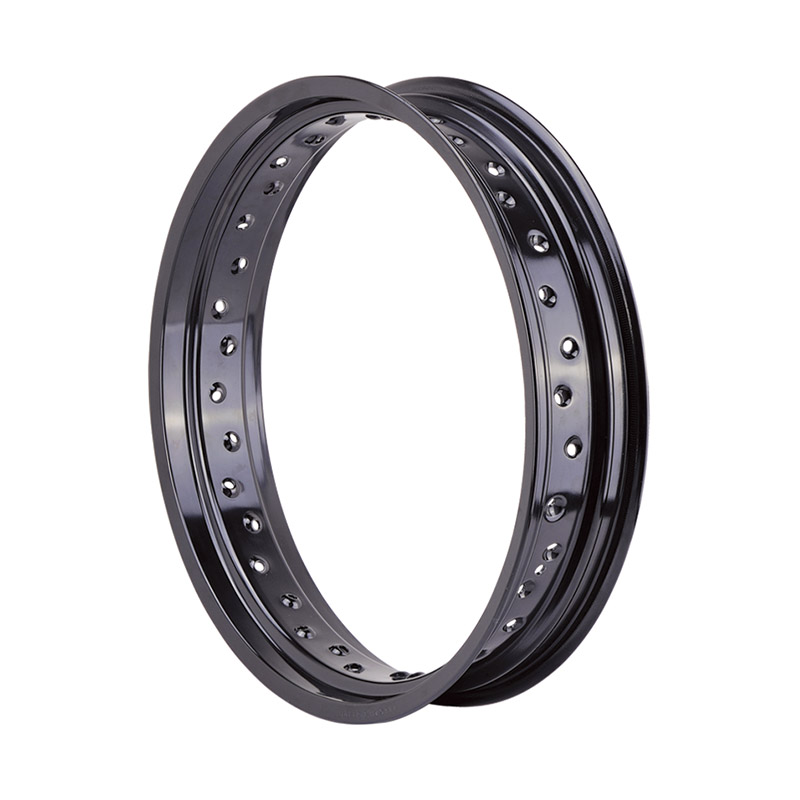
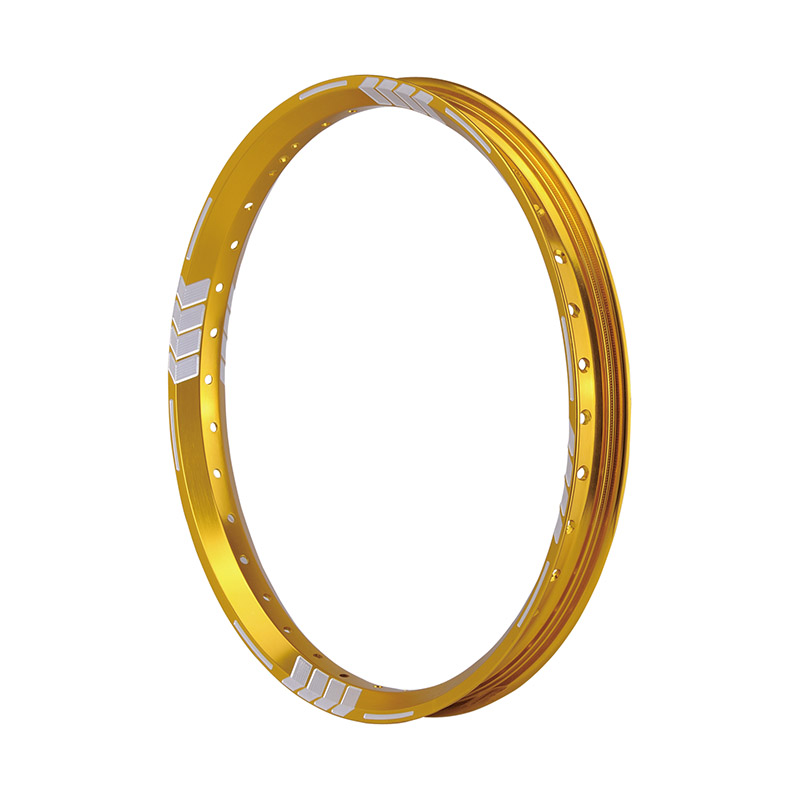
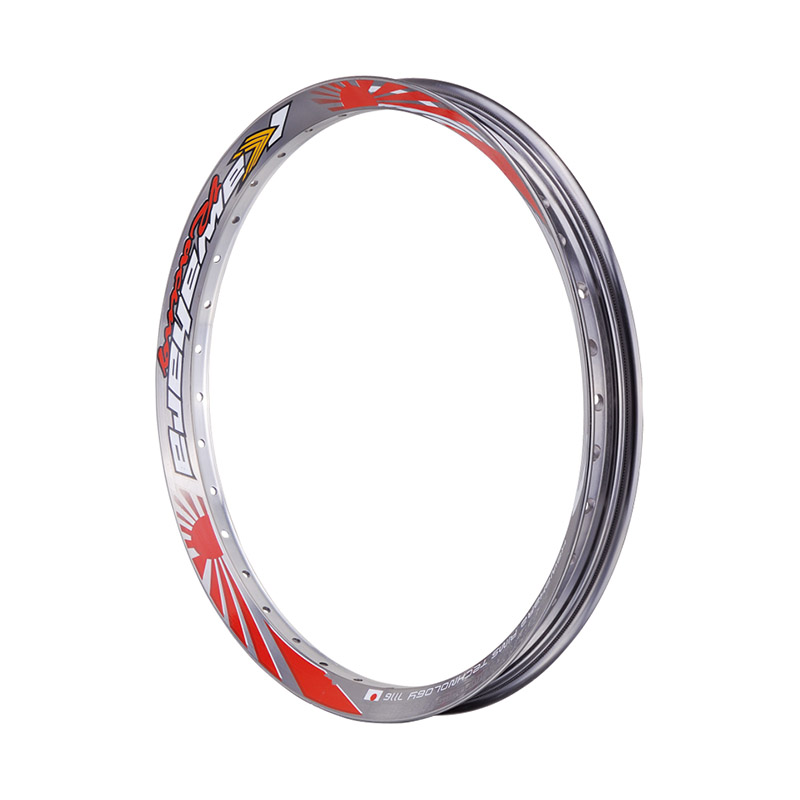
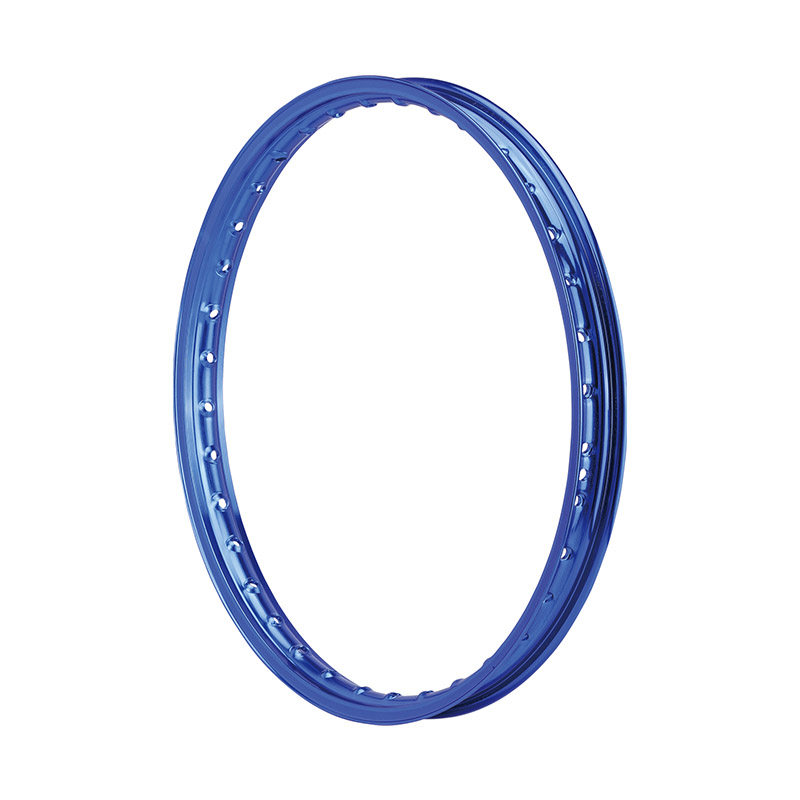
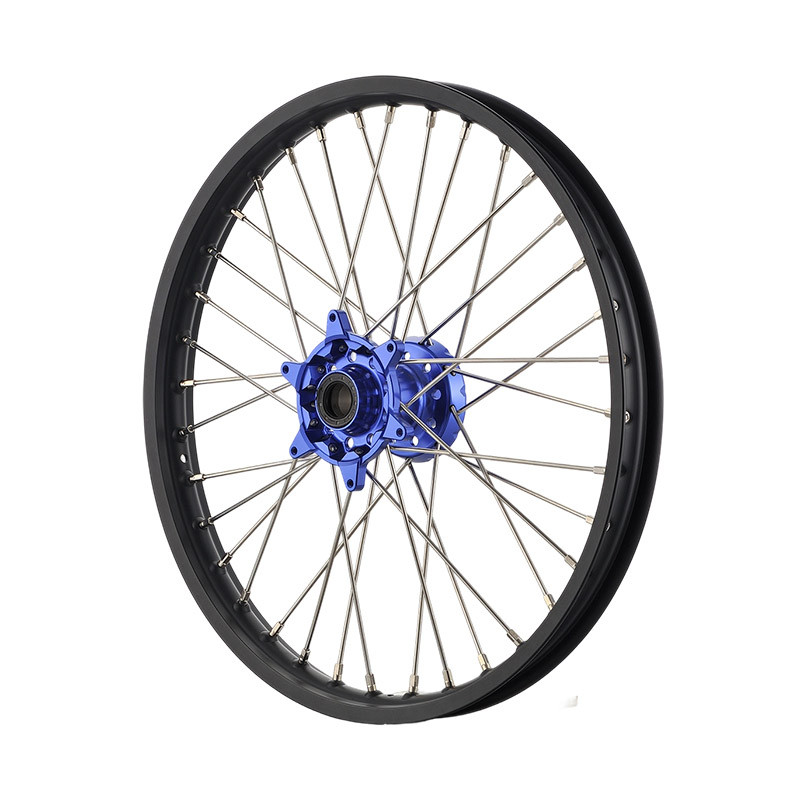
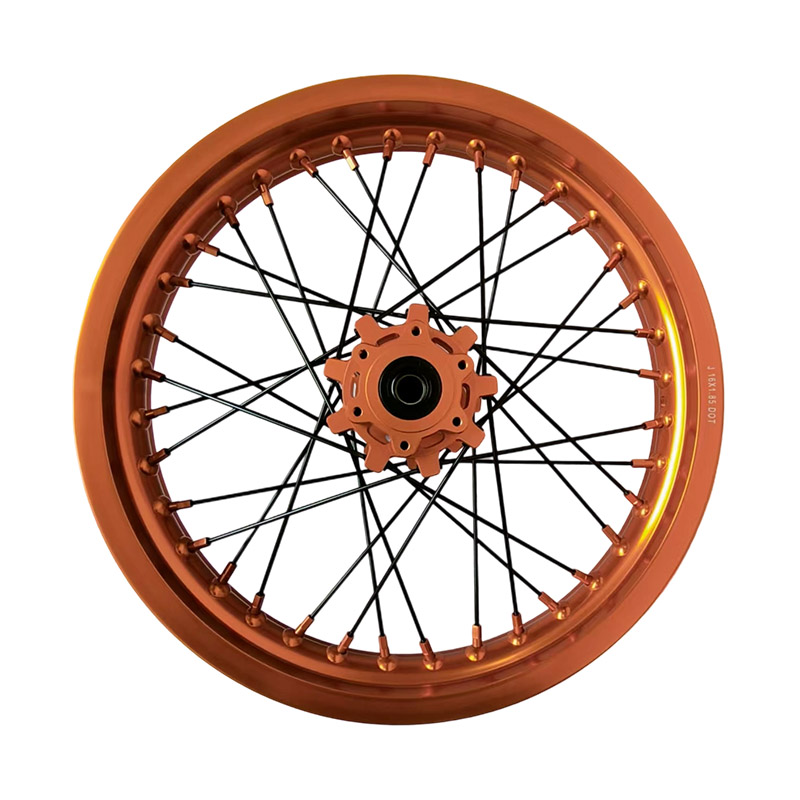
Installing Dirt Bike Motorcycle Motard Rims can alter tire selection, steering response, braking performance, ground clearance, gearing, and even the way the motorcycle sits on its kickstand. The result can feel substantially different on asphalt, which explains why Motard conversions have become popular among riders who want a dirt-bike chassis with more road-focused characteristics.

From 21/18 to 17/17: The Main Change
The traditional dirt-bike setup uses a larger front wheel to help the motorcycle pass over rocks, roots, ruts, and other obstacles. Motard setups replace that arrangement with smaller wheels designed around road-oriented tires.
A common Supermoto configuration uses a 17 × 3.5-inch front rim and 17 × 4.25-inch rear rim. Some more track-focused applications use a 5-inch rear rim.
| Configuration | Typical Front | Typical Rear | General Riding Character |
| Enduro / Dirt | 21 in | 18 in | Obstacle-oriented |
| Street Motard | 17 × 3.5 in | 17 × 4.25 in | Road-focused |
| Track Motard | 17 × 3.5 in | 17 × 5 in | Performance-focused |
The exact specification depends on the motorcycle and intended use. A wheelset designed for a KTM, Yamaha, Honda, Husqvarna, Suzuki, or another platform cannot automatically be transferred between models simply because both use 17-inch wheels.
Smaller Wheels Can Change Steering Response
Wheel diameter has a direct relationship with motorcycle geometry. Moving from a 21-inch front wheel to a 17-inch front wheel reduces the overall front wheel-and-tire diameter. That can alter steering geometry and the way the motorcycle responds to rider input.
Rider discussions around Supermoto conversions regularly point out that smaller wheels can make a dirt-bike-based motorcycle feel more agile on pavement. The reduced rotating diameter can also contribute to quicker changes in direction.
- Smaller front diameter: can contribute to quicker steering response.
- Road tire profile: provides a different contact shape from a knobby tire.
- Lower overall wheel height: changes chassis stance and ground clearance.
- Reduced rotating diameter: can influence acceleration and direction changes.
The effect is not determined by the rim alone. Tire diameter, tire profile, suspension settings, fork position, and chassis geometry all contribute to the final result.
Road Tires Are a Major Part of the Conversion
Changing to Motard rims without changing the tire concept would defeat much of the purpose of the conversion. Seventeen-inch wheels open access to a broad range of road and sport motorcycle tires.
A representative street Supermoto setup can use a 120/70-17 front tire and a 150/60-17 rear tire. A documented CRF450X conversion, for example, used 120/70 R17 at the front and 150/60 R17 at the rear.
| Component | Example Specification | Effect on the Conversion |
| Front rim | 17 × 3.5 in | Supports common Supermoto front tire formats |
| Rear rim | 17 × 4.25 in | Supports wider road-oriented rear tires |
| Front tire | 120/70-17 | Road-oriented steering and contact profile |
| Rear tire | 150/60-17 | Wider road-oriented rear contact area |
Actual tire dimensions vary between brands. A nominal 160-section tire, for example, does not necessarily have the same measured width or profile across different manufacturers. A documented KTM 500 EXC conversion found significant variation between different 160 rear tires, making tire selection and swingarm clearance important considerations.
Brake Hardware Often Changes Too
Wheel conversion and brake conversion are frequently connected. Dirt-bike braking systems are designed around off-road conditions, while Supermoto riding on pavement can involve stronger and more sustained braking loads.
A common Motard upgrade uses a larger front brake disc, often around 320 mm. Conversion guides also list a caliper relocation bracket, upgraded master cylinder, and braided brake hose among possible components.
The reason is straightforward: changing the wheel does not automatically reposition the original brake caliper to work with a larger rotor.
- 17-inch wheel and tire
- Larger front brake rotor
- Caliper relocation bracket
- Compatible master cylinder
- Appropriate brake line routing
A documented CRF450L conversion required brake-line rerouting and trimming of the lower fork protectors to provide clearance around the 17-inch wheel and tire.
Wider Rear Tires Can Create Clearance Problems
A wider rear wheel can provide a different road-riding feel, but available space inside the swingarm can become a limiting factor.
This is particularly relevant with 4.25-inch and 5-inch rear rims. A larger tire may approach the chain, swingarm, or other chassis components. A KTM 500 EXC Supermoto conversion reported that the wider rear wheel and tire created a tight swingarm fit and some chain contact, requiring careful tire selection.
Rear Wheel Clearance Checklist
- Measure the distance between tire and chain.
- Check both sides of the swingarm.
- Inspect clearance at full suspension compression.
- Confirm sprocket alignment.
- Verify wheel offset and spacer dimensions.
A wider rim should therefore be treated as a complete fitment decision rather than an automatic handling upgrade.
What Happens to Ground Clearance?
The move from 21/18 dirt wheels to 17/17 Motard wheels generally reduces the overall wheel-and-tire diameter. This can lower parts of the motorcycle and change its relationship with the road.
The effect can be useful on pavement because the motorcycle's center of gravity and steering geometry can become more road-oriented. However, the lower configuration is less suitable for riding over large rocks, deep ruts, and other obstacles.
This is a major reason why Dirt Bike Motorcycle Motard Rims should not be viewed simply as smaller versions of dirt-bike wheels. They change the intended operating environment of the motorcycle.
| Feature | 21/18 Dirt Setup | 17/17 Motard Setup |
| Obstacle clearance | Strong focus | Reduced |
| Road tire availability | More limited | Broad range |
| Steering response | Off-road oriented | More road-focused |
| Ground clearance | Higher | Generally lower |
| Road cornering | Depends heavily on tire | Designed around road tires |
Could the Sprocket Need to Change?
Yes. Changing wheel and tire diameter can influence the effective gearing of the motorcycle.
Some riders compensate through rear sprocket changes rather than altering the primary drive. A documented KTM 500 EXC Supermoto project retained the stock primary drive and used a 46-tooth rear sprocket as part of its setup.
There is no universal sprocket size for every Motard conversion. Engine characteristics, wheel diameter, tire circumference, chain size, riding speed, and desired acceleration all affect the final ratio.
- Compare the original and new tire circumference.
- Consider the desired cruising speed.
- Check chain length and sprocket compatibility.
- Evaluate acceleration versus road speed requirements.
The Kickstand May Suddenly Become Too Long
This is an easy detail to overlook. Smaller 17-inch wheels can lower the motorcycle enough that the original kickstand no longer gives the same parking angle.
Documented WR250R and KTM 500 EXC Supermoto conversions both required attention to kickstand length. The WR250R conversion used a shorter Supermoto kickstand, while the KTM project selected a shorter OEM component because of the lower wheel-and-tire profile.
This illustrates how a wheel conversion can influence seemingly unrelated motorcycle components.
One Bike, Two Wheelsets?
Riders who regularly switch between dirt and pavement may not need to permanently convert their motorcycle.
A second wheelset can allow a dirt bike to retain its original 21/18 configuration for trails while using 17-inch Dirt Bike Motorcycle Motard Rims for road riding.
Community discussions frequently describe this two-wheelset approach as a practical way to keep dedicated tire choices for each riding environment. Some riders report wheel swaps taking roughly 15–30 minutes, although the actual time depends on the motorcycle and rider experience.
| Wheelset | Primary Use | Tire Direction |
| 21/18 | Trail and off-road | Knobby / enduro |
| 17/17 | Street and Supermoto | Sport / road |
This approach can be particularly useful for riders who do not want to sacrifice their dirt-bike capability simply to gain better road performance.
Is a Motard Conversion Worth It?
The answer depends on where the motorcycle spends its time.
- Mostly pavement: 17-inch Motard wheels can provide access to road-focused tires and a more asphalt-oriented chassis feel.
- Mixed road and trail: maintaining the original dirt wheelset may be preferable.
- Track-focused riding: specialized 17-inch wheels, tires, brakes, and suspension can create a dedicated package.
- Frequent surface changes: two complete wheelsets can provide greater flexibility.
Rider experience also supports the idea that 17-inch wheels are particularly suited to pavement, while larger dirt-bike wheels retain advantages away from asphalt.
What Should Be Checked Before the Swap?
Buying a wheelset based solely on diameter can create unnecessary fitment problems. A complete specification check is more useful.
- Rim diameter and width: confirm the exact front and rear dimensions.
- Hub: verify axle diameter, bearing arrangement, and hub width.
- Spacers: confirm that the wheel can be centered correctly.
- Brake rotor: check diameter, mounting pattern, and offset.
- Tire: verify the tire's approved rim-width range.
- Chain clearance: inspect the rear tire and drivetrain relationship.
- Fork clearance: check the front tire against fork guards and brake components.
- Suspension clearance: inspect the motorcycle through its full travel.
The Swap Changes the Motorcycle's Personality
Installing Dirt Bike Motorcycle Motard Rims is more than replacing a set of wheels. Moving from a 21/18 dirt configuration to a 17/17 Motard package changes the tire platform, steering response, ground clearance, braking requirements, and road behavior.
The combination of a 17-inch rim and road-oriented tire can make a dirt-bike chassis feel much more natural on pavement. A larger front brake can complement the new riding environment, while sprocket adjustments can compensate for changes in effective gearing. Wider rear wheels can also create a different contact profile, although available swingarm and chain clearance must be checked carefully.
For riders who spend their time primarily on asphalt, the conversion can turn an off-road platform into a very different kind of motorcycle. Riders who still spend substantial time on trails may prefer keeping the original 21/18 wheels and adding a second 17-inch wheelset.
The real value of a Motard conversion therefore comes from matching the wheel package to the motorcycle's new purpose. Once the rims, tires, brakes, gearing, and chassis clearance are considered as a complete system, the change from dirt bike to Motard becomes far more than a cosmetic upgrade.

 浙公网安备33071802889078

