

 English
 Español
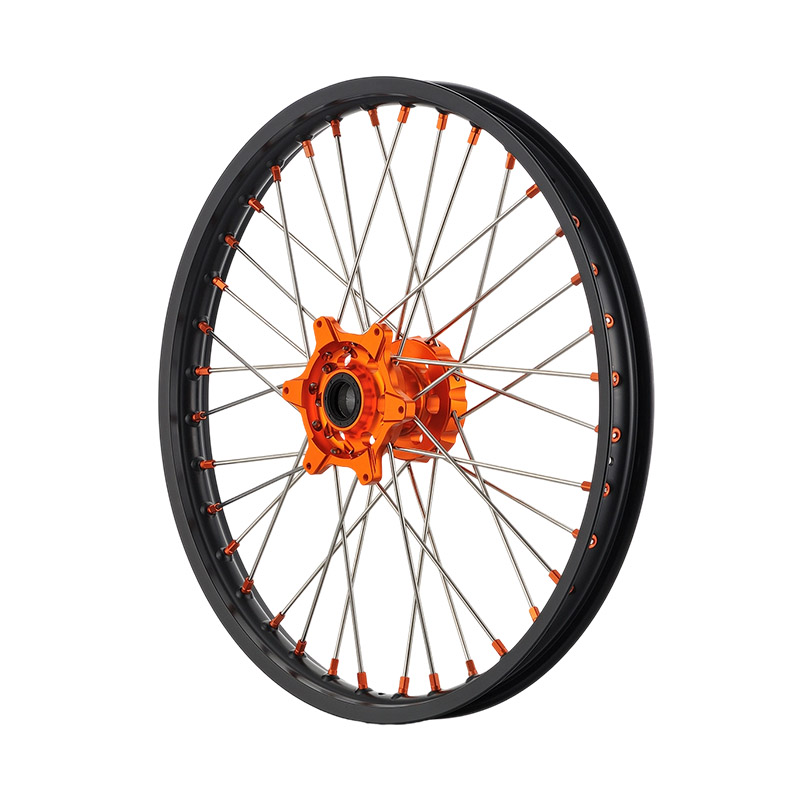
Electric bikes have changed the way people commute, explore cities, and enjoy outdoor riding. Among the different drive systems available today, the front-mounted motor design has attracted attention because it provides a simple structure, smooth assistance, and flexible installation options. A Front Electric Bike Front Wheel system integrates the motor directly into the wheel hub, allowing riders to experience electric assistance without major changes to the bicycle frame or drivetrain.
Unlike traditional bicycles that rely entirely on human power, electric bikes equipped with front wheel motors create a different riding feeling. The motor provides additional pulling force from the front side, helping riders handle daily commuting, recreational cycling, and moderate uphill routes with less physical effort.

Understanding the Design Behind Front Wheel Motor Systems
A front wheel motor uses a hub motor structure where the electric drive unit is placed inside the wheel hub. The motor receives power from a battery pack and transfers rotational force directly to the wheel. This design removes the need for complicated mechanical connections between the motor and rear transmission system.
- Hub-integrated construction: The motor, axle, and wheel assembly are combined into one compact unit.
- Independent power assistance: The electric system operates separately from the bicycle chain and gears.
- Flexible conversion capability: Many standard bicycles can be upgraded with a compatible front motor wheel kit.
Many front hub motor products are available with different voltage, power, and torque configurations. Common specifications include 36V or 48V systems, rated power from 250W to 500W, torque ranges around 30–65Nm, and wheel compatibility from compact 16-inch designs to 700C bicycle wheels.
Typical Front Wheel Motor Specifications
| Parameter | Common Range | Application Benefit |
| Rated Voltage | 36V / 48V | Supports different battery configurations |
| Motor Power | 250W–500W | Suitable for urban riding and daily transportation |
| Torque Output | 30–65Nm | Provides additional assistance during acceleration |
| Wheel Size | 16–28 inches | Fits folding bikes, city bikes, and commuter models |
| Water Protection | IPX5–IP65 | Improves reliability in changing weather conditions |
Why Front Wheel Motors Attract Urban Riders
City cycling environments often require frequent starts, stops, and speed adjustments. A front-mounted motor can make these situations easier by supplying additional power during acceleration. Riders who travel through flat roads, bike lanes, and residential areas often appreciate the balanced assistance provided by this configuration.
The installation process is another reason this design remains popular. Since the motor replaces the original front wheel, many conversion projects require fewer modifications compared with other electric drive layouts. The bicycle's rear cassette, chain, and derailleur system can continue working as before.
- Simple upgrade path: Riders can convert existing bicycles without replacing the complete frame.
- Low drivetrain interference: The original rear mechanical components remain available.
- Clean appearance: The motor is integrated into the wheel instead of occupying extra frame space.
Performance Factors That Influence Riding Feel
The riding experience of a front wheel motor depends on several technical factors. Motor power alone does not determine performance. Wheel size, battery capacity, controller settings, tire type, and total bicycle weight all affect acceleration and handling.
Motor Torque and Power Balance
Torque determines how quickly the motor can provide assistance from a stationary position. A higher torque rating can be helpful for riders carrying additional loads or traveling across slightly inclined roads. However, the motor should match the bicycle design because excessive front-end force may affect steering characteristics.
Weight Distribution and Handling
Adding a motor to the front wheel changes the bicycle's weight balance. A well-designed system uses lightweight motor housing and proper axle strength to maintain comfortable handling. Some models use aluminum alloy shells and sealed bearings to reduce weight while improving durability.
| Design Element | Influence on Riding |
| Motor Weight | Affects steering response and overall balance |
| Controller Setting | Changes acceleration smoothness |
| Battery Capacity | Determines riding distance per charge |
| Tire Selection | Impacts traction and road comfort |
Front Wheel Motor Compared With Other Electric Drive Layouts
Electric bikes commonly use front hub motors, rear hub motors, or mid-drive systems. Each configuration has different characteristics based on riding requirements. Front wheel systems are often chosen for their straightforward design, while rear and mid-drive solutions may focus more on specific performance needs.
| Motor Position | Main Feature | Suitable Riding Style |
| Front Wheel | Easy integration and independent drivetrain operation | City commuting and casual cycling |
| Rear Wheel | Rear traction with natural pushing sensation | Mixed roads and stronger acceleration needs |
| Mid Drive | Power transferred through bicycle gears | Mountain riding and demanding terrain |
Important Details Before Installing a Front Electric Bike Front Wheel
Although front wheel motor systems are convenient, riders should check several compatibility factors before installation. Matching the motor with the bicycle structure helps achieve better safety and performance.
- Fork compatibility: The front fork must support the motor axle dimensions and torque requirements.
- Brake system matching: Disc brake or rim brake compatibility should be confirmed before assembly.
- Battery selection: Battery voltage and controller specifications need to match the motor rating.
- Wheel size confirmation: The motor wheel should fit the original bicycle frame geometry.
New Riding Possibilities Created by Front Motor Technology
The development of compact hub motors has expanded electric bike applications beyond traditional transportation. Folding bicycles, cargo bikes, commuter bicycles, and recreational models can all benefit from electric assistance solutions. Lightweight motor designs and improved electronic controllers continue to enhance comfort and control.
Modern riders are looking for bicycles that combine convenience with personal mobility. A front wheel motor provides an approach that balances installation simplicity, practical performance, and everyday usability. As electric bicycle technology continues to develop, integrated wheel solutions will remain an important option for riders who want additional support without complicated mechanical changes.
The future of electric cycling is not only about adding more power but also about creating smoother interactions between riders and machines. Front-mounted motor systems demonstrate how a small change in wheel design can create a completely different cycling experience.


 浙公网安备33071802889078

