

 English
 Español
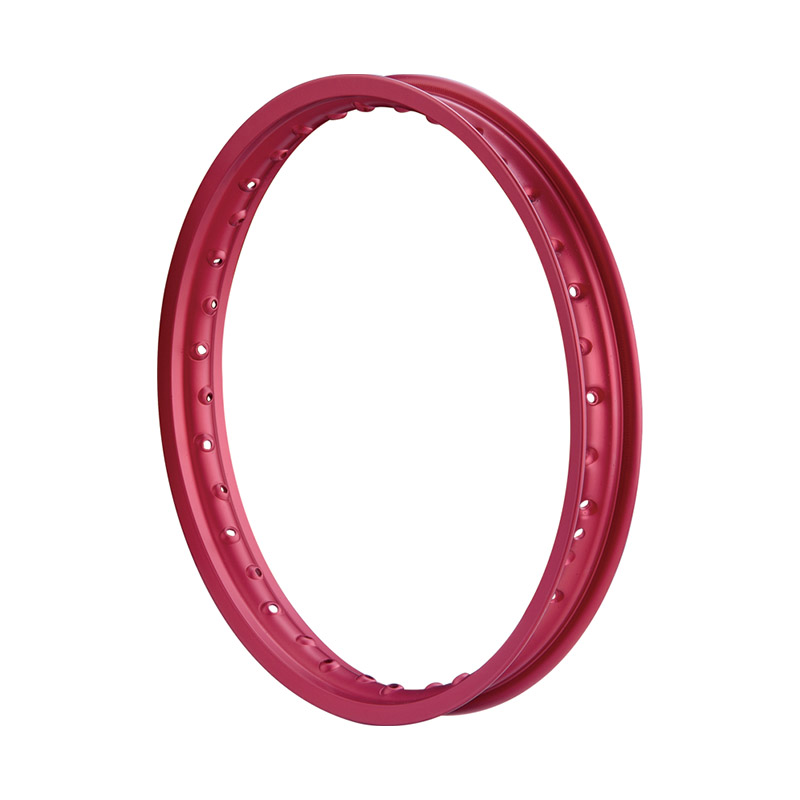
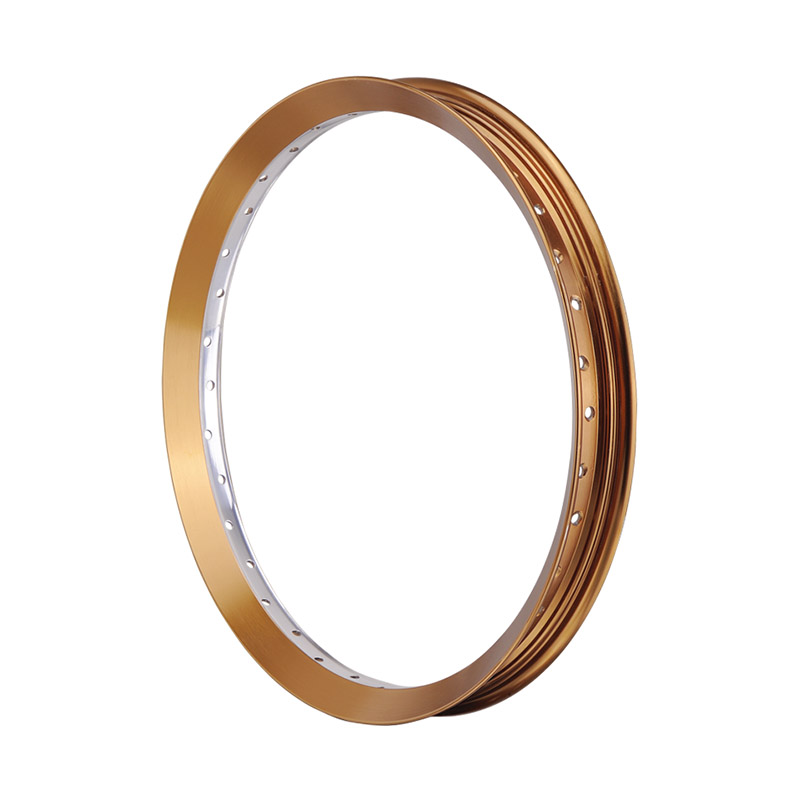
Black and silver wheels have dominated motorcycle styling for years, but a different trend is becoming harder to ignore. Red, blue, gold, purple, green, orange, and other colored aluminum rims are appearing on dirt bikes, Supermoto builds, custom motorcycles, and show-oriented projects. The wheel is no longer treated simply as a structural component hidden behind the tire. It can become a visible part of the motorcycle's overall design.
This shift raises an interesting question: are Colored Aluminum Motorcycle Alloy Rim designs changing the way riders approach motorcycle customization?
Current aftermarket wheel suppliers offer multiple anodized rim colors, while some custom wheel builders allow riders to coordinate the rim, hub, spokes, and nipples. The growing range of finishes gives riders more ways to create a specific visual identity without changing the motorcycle's basic chassis.
Why Are Colored Motorcycle Rims Getting More Attention?
A motorcycle wheel occupies a large visual area and rotates continuously while the bike is moving. That makes the rim particularly effective as a styling element.
- High-contrast colors can make the wheel stand out against black tires.
- Metallic finishes can emphasize the shape of the rim under different lighting.
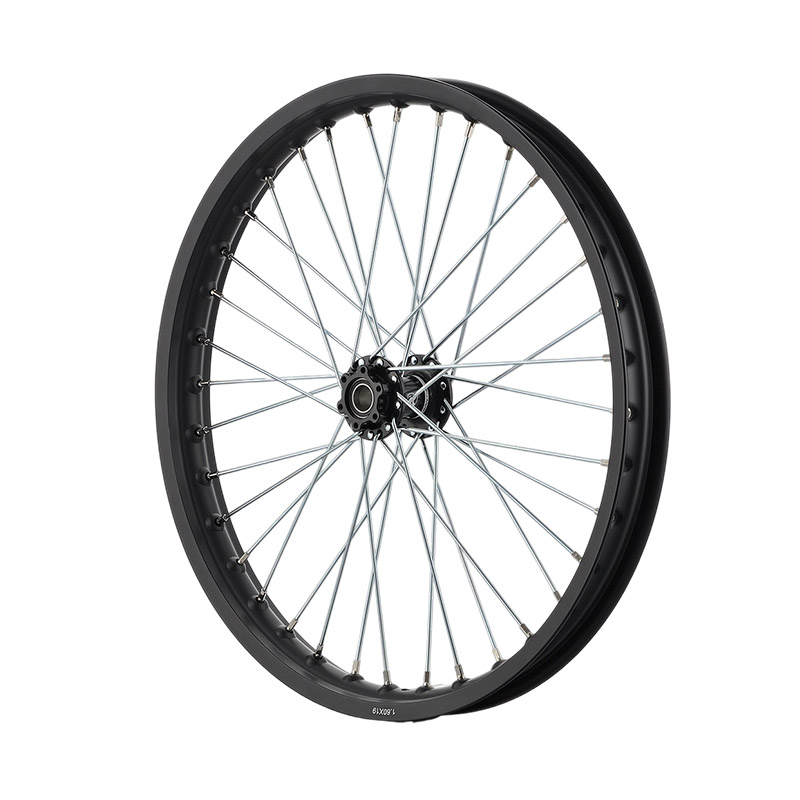
- Matching hubs and spokes can create a coordinated custom build.
- Two-tone combinations can add visual detail without changing the motorcycle's bodywork.
Current custom wheel programs show how far this trend has developed. Some suppliers offer colors such as gold, red, blue, green, purple, pink, orange, and teal, while other builders provide separate choices for rim, hub, spoke, and nipple colors.

Is the Color Painted Onto the Aluminum?
Not necessarily. A major distinction exists between a painted or powder-coated wheel and an anodized aluminum wheel.
Anodizing is an electrochemical surface treatment that creates an oxide layer as part of the aluminum surface. The resulting porous layer can absorb dye before a sealing process closes the surface. This is why anodized aluminum can produce a metallic appearance while retaining the visual character of the underlying metal.
| Finish Type | Basic Process | Typical Visual Character |
| Anodized | Electrochemical surface treatment + coloring | Metallic, translucent, satin or gloss |
| Powder Coated | Powder coating cured onto the surface | Opaque and highly customizable |
| Painted | Liquid coating applied to prepared aluminum | Wide range of colors and effects |
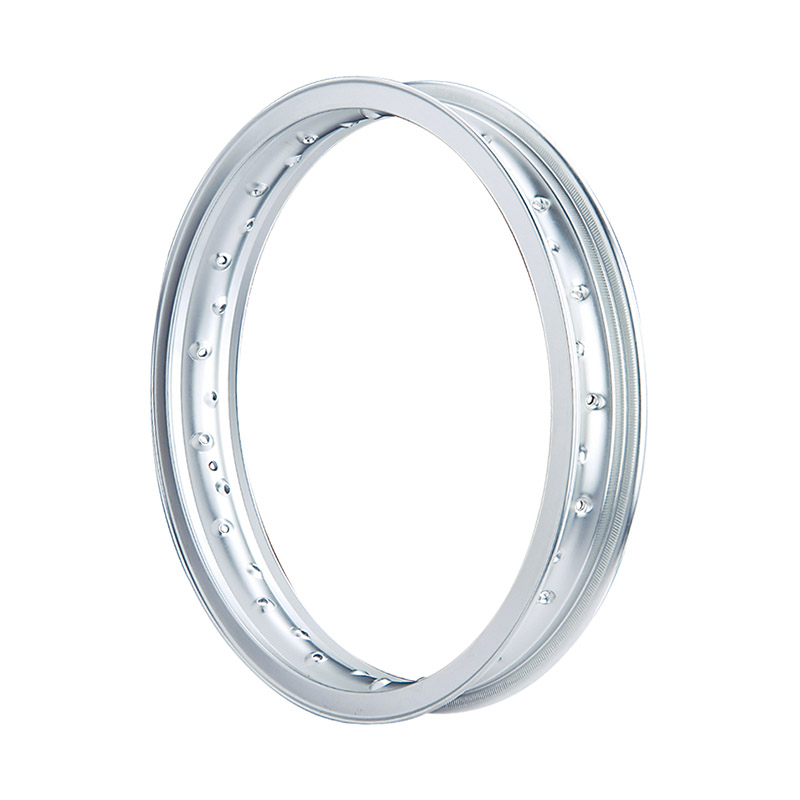
| Raw Aluminum | No decorative surface treatment | Natural machined-metal appearance |
The difference matters because the finish affects the visual depth, surface characteristics, repair approach, and long-term appearance of a Colored Aluminum Motorcycle Alloy Rim.
What Makes Anodized Colors Look Different?
Anodized color is not simply a layer of paint sitting on top of the rim. The final appearance depends on several variables, including the aluminum alloy, surface preparation, anodizing conditions, dye, and sealing process.
For example, a polished surface can create a brighter reflective appearance, while a bead-blasted or mechanically textured surface can produce a softer matte effect. Velocity's current rim information describes separate matte and gloss anodizing approaches, with polishing used to create a glossier appearance.
- Base alloy: can influence the final shade.
- Surface preparation: affects texture and light reflection.
- Dye: determines the primary color family.
- Anodizing thickness: can influence color depth and surface properties.
- Sealing: helps stabilize the finished anodized surface.
Gold, Red, Blue or Something Less Conventional?
Color preference is increasingly becoming part of the motorcycle build rather than an afterthought.
| Rim Color | Common Styling Direction | Possible Pairing |
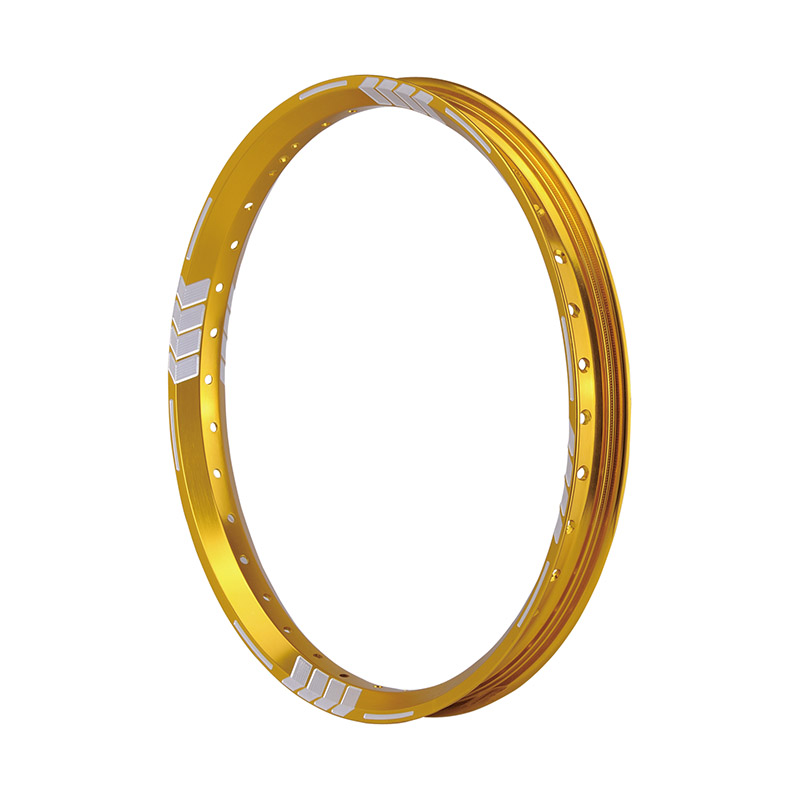
| Gold | Racing or classic-inspired | Black, white, blue |
| Red | Aggressive performance look | Black, white, grey |
| Blue | Sport and factory-inspired | Black, white, silver |
| Purple | Custom and unconventional | Black, silver, gold |
| Green | Distinctive custom build | Black, white, grey |
| Orange | High-energy racing appearance | Black, dark grey |
Recent motorcycle community discussions show riders considering combinations such as gold rims with purple hubs, black rims with colored hubs, and orange-and-black configurations. This suggests that riders are increasingly treating wheel color as part of the complete bike design rather than simply asking for a different rim from the standard black option.
Could Two-Tone Wheels Become the New Custom Standard?
A completely colored wheel is not the only approach. Two-tone designs can create contrast between different components while keeping the overall motorcycle visually balanced.
A common concept is a colored hub combined with a darker or natural aluminum rim. Another approach reverses the arrangement by using a colored rim with black spokes and a contrasting hub.
Current 2026 Supermoto customization trends include two-tone anodized hubs, contrasting spoke nipples, colored rims, and combinations of different surface treatments.
- Colored rim + black hub
- Black rim + colored hub
- Colored rim + silver spokes
- Natural aluminum rim + colored nipples
- Colored rim + matching sprocket and brake hardware
These combinations can create a more integrated appearance than applying the same color to every component.
Does a Colored Rim Affect the Technical Side?
Color itself does not determine the wheel's structural capability. The important technical factors remain the alloy, rim profile, dimensions, manufacturing process, hub design, spoke configuration, and overall wheel construction.
A colored Colored Aluminum Motorcycle Alloy Rim should therefore be evaluated using the same fitment criteria as a conventional silver or black rim.
| Specification | Why It Matters |
| Rim diameter | Must correspond with the intended tire |
| Rim width | Influences tire profile and compatibility |
| Alloy grade | Provides information about the aluminum material |
| Hub dimensions | Determines axle and chassis compatibility |
| Spoke configuration | Contributes to wheel load distribution |
| Brake interface | Must match rotor and caliper arrangement |
| Surface finish | Affects appearance and surface characteristics |
This distinction is useful for buyers because a visually striking finish should never distract from basic wheel specifications.
How Does Anodizing Compare With Powder Coating?
Both finishes can create customized motorcycle wheels, but they produce different visual and physical characteristics.
Anodizing preserves more of the metallic character of aluminum because the coloring interacts with the anodized surface. Powder coating creates a separate cured coating over the substrate and can provide a broader range of opaque finishes.
Current wheel builders explicitly distinguish anodized and powder-coated options, with anodized finishes available in multiple standard colors and powder coating offered for additional custom applications.
- Anodizing: suitable for riders who want a metallic aluminum appearance.
- Powder coating: useful for opaque colors and certain custom finish requirements.
- Raw finish: allows a buyer or finishing specialist to apply a separate treatment.
Surface preparation also influences the final visual result, meaning two wheels with the same nominal color can look different depending on the finish beneath the color.
Will Colored Aluminum Rims Fade?
Color stability depends on the pigment, anodizing process, exposure conditions, and care. Anodized aluminum generally provides useful corrosion and surface protection, but the colored appearance is not immune to long-term environmental exposure.
Technical information on anodized aluminum notes that the dye and base alloy can influence color stability, while some brighter organic colors can be more susceptible to prolonged ultraviolet exposure.
This makes color selection a practical consideration for motorcycles that spend extensive time outdoors.
- Dark colors can provide a more understated appearance.
- Bright colors create stronger visual contrast but may require greater attention to long-term appearance.
- Harsh chemicals can affect certain anodized finishes.
- Color samples should be treated as references because production batches can show slight shade differences.
Some wheel manufacturers specifically note that anodized colors can vary slightly between production batches.
Could Wheel Color Become Part of Motorcycle Branding?
Color is already being used beyond individual customization. Custom wheel manufacturers offer coordinated component colors that can support a particular motorcycle's visual identity.
A rider building a Supermoto around blue bodywork, for example, may use a blue rim with black spokes and silver hardware. A racing-inspired build could combine gold rims with dark bodywork, while a minimalist motorcycle may use natural aluminum with a single colored hub.
For motorcycle manufacturers, distributors, and aftermarket brands, this creates another opportunity: the wheel can become a recognizable visual signature.
Color Coordination Can Extend Beyond the Rim
- Rim color
- Hub color
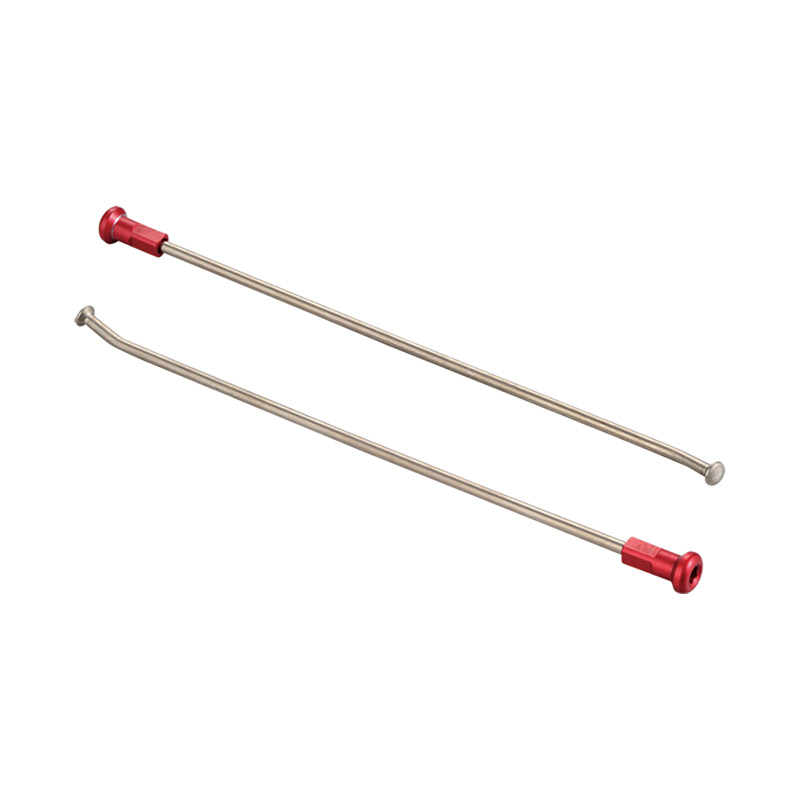
- Spoke color
- Nipple color
- Brake hardware
- Sprocket color
- Body graphics
Some made-to-measure wheel programs now advertise thousands of combinations involving rim, hub, spokes, nipples, and finishes, showing how customization is moving toward complete wheel-system design.
What Should Buyers Check Besides Color?
Visual customization should begin after basic fitment has been confirmed. A rider looking for a Colored Aluminum Motorcycle Alloy Rim should check technical specifications before focusing on the finish.
- Motorcycle model and year: verify application compatibility.
- Rim diameter: match the intended tire size.
- Rim width: confirm the manufacturer's approved tire range.
- Axle dimensions: check bearing and spacer compatibility.
- Brake interface: confirm rotor diameter, bolt pattern, and offset.
- Surface treatment: identify anodized, painted, or powder-coated construction.
- Color availability: ask whether the shade is standard or custom.
Are Colored Rims More Than a Styling Trend?
The growing range of colors suggests that motorcycle wheel customization is moving toward a more design-oriented approach. Riders no longer have to treat the wheel as a standard black or silver component. A colored rim can become the visual anchor of a Supermoto, dirt bike, pit bike, or custom street motorcycle.
At the same time, the technical side remains unchanged. Wheel diameter, width, alloy, hub dimensions, spokes, brakes, tire compatibility, and chassis fitment still determine whether the wheel is appropriate for the motorcycle.
The interesting development is the combination of these two priorities. A Colored Aluminum Motorcycle Alloy Rim can provide a distinctive visual identity while remaining part of a technically specified wheel assembly.
From subtle gold and gunmetal finishes to bright red, blue, purple, green, and orange designs, the modern aftermarket gives riders considerably more freedom. The next stage of motorcycle customization may therefore be less about simply replacing a wheel and more about designing the entire wheel around the character of the motorcycle.


 浙公网安备33071802889078

