

 English
 Español
Motorcycle wheel technology has continued to evolve with new materials, manufacturing methods, and riding requirements. While cast alloy wheels and lightweight designs have become common on many street motorcycles, traditional spoke designs remain widely used across adventure bikes, off-road models, classic motorcycles, and touring machines. The durability and flexible structure of Motorcycle Wheels Spoke Rims continue to attract riders who need reliable performance on different types of terrain.
Unlike solid alloy wheels, spoke rims use multiple metal spokes to connect the hub and outer rim. This construction creates a wheel system that can absorb impacts, adjust under stress, and provide additional flexibility during challenging riding conditions. Many adventure and off-road riders still prefer spoke wheels because rough surfaces often create unpredictable forces that require a more adaptable wheel structure.

The Engineering Behind Spoke Rim Construction
A motorcycle spoke wheel consists of several important components, including the hub, rim, spokes, and nipples. Each part works together to distribute loads generated during acceleration, braking, cornering, and impacts from uneven roads.
- Hub: The central component connects the wheel to the motorcycle axle and transfers rotation force.
- Spokes: High-strength steel wires support the rim and spread mechanical stress across the wheel structure.
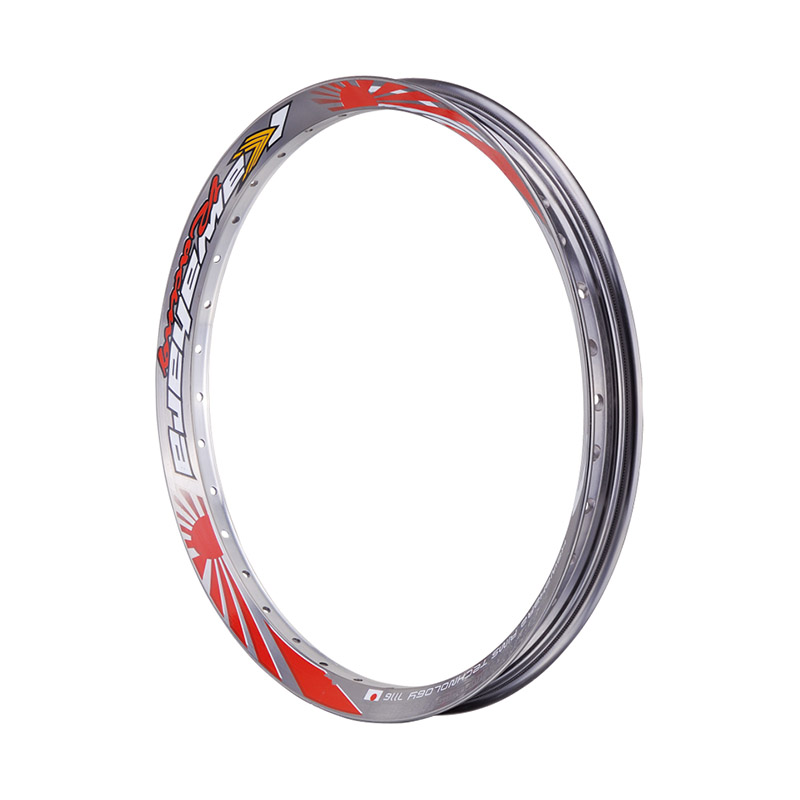
- Rim: The outer ring supports the tire and maintains the wheel profile.
- Nipples: Adjustable connectors help maintain spoke tension and wheel alignment.
The number of spokes varies depending on motorcycle type and usage requirements. Common configurations include 32-hole and 36-hole designs, while heavy-duty adventure motorcycles may use reinforced spoke layouts to handle additional loads.
Common Spoke Rim Specifications
| Specification | Typical Range | Purpose |
| Wheel Diameter | 17–21 inches | Supports street, adventure, and off-road applications |
| Spoke Material | Stainless steel or alloy steel | Provides strength against repeated impacts |
| Rim Material | Aluminum alloy or steel | Balances weight and structural durability |
| Spoke Count | 32–36 spokes | Improves load distribution capability |
| Wheel Type | Tube-type or tubeless spoke design | Matches different tire systems |
Why Off-Road Riders Continue Using Spoke Wheels
Off-road environments create conditions that are very different from smooth highways. Rocks, sand, mud, and uneven trails can produce sudden impacts on motorcycle wheels. A spoke wheel can flex slightly under these forces, helping reduce stress concentration in specific areas.
A cast wheel usually has a rigid one-piece structure. This design works well for many street applications, but severe impacts may create cracks or permanent deformation. Spoke rims have a different response because individual spokes can absorb and distribute impact energy throughout the wheel assembly.
- Impact absorption: The flexible spoke network helps handle rough terrain conditions.
- Repair convenience: Individual spokes can often be adjusted or replaced without changing the complete wheel.
- Terrain adaptability: The structure suits motorcycles designed for mixed road environments.
Spoke Rims vs Alloy Wheels: Different Strengths for Different Riders
The choice between spoke rims and alloy wheels depends heavily on riding style. Neither design fits every motorcycle application. Riders who mainly travel on highways may prefer the rigidity and low maintenance characteristics of alloy wheels, while adventure riders often value the flexibility of spoke construction.
| Feature | Spoke Rims | Alloy Wheels |
| Structure | Multiple spokes connecting hub and rim | Single-piece cast or forged design |
| Impact Response | Flexible under harsh impacts | More rigid during normal riding |
| Typical Use | Adventure, dirt, touring motorcycles | Street, sport, urban motorcycles |
| Maintenance | Requires spoke tension inspection | Generally requires fewer adjustments |
Modern Improvements Make Spoke Wheels More Versatile
Traditional spoke wheels usually require inner tubes because spoke holes in the rim prevent an airtight seal. However, modern designs have introduced tubeless spoke wheel technology by changing spoke placement and rim sealing methods. This allows riders to combine spoke wheel flexibility with easier tire repair features.
Tubeless Spoke Rim Development
Advanced spoke systems position the spoke connections away from the tire sealing area. This construction helps create an airtight rim channel while maintaining the mechanical advantages of spoke structures.
| Wheel Design | Main Characteristics |
| Traditional Tube-Type Spoke Rim | Strong impact resistance and suitable for demanding terrain |
| Tubeless Spoke Rim | Combines spoke flexibility with easier puncture management |
| Cast Alloy Wheel | Rigid structure designed for road-focused riding |
How Spoke Rim Design Influences Riding Experience
Wheel design affects more than appearance. The construction of a motorcycle wheel influences stability, comfort, traction, and rider confidence. A properly built spoke rim can provide a smoother response on uneven surfaces because the wheel assembly can absorb small movements rather than transferring every impact directly to the motorcycle frame.
For adventure riders traveling long distances, this characteristic can improve comfort during extended journeys. For off-road enthusiasts, the ability to handle unpredictable terrain is a major reason spoke wheels remain a preferred option.
Important Factors Before Choosing Motorcycle Spoke Rims
Riders should consider several details before upgrading or replacing their motorcycle wheels. The correct wheel specification needs to match the motorcycle model, tire requirements, and riding environment.
- Load capacity: The wheel should support the motorcycle weight, rider weight, and additional cargo.
- Rim size: Diameter and width influence handling characteristics and tire selection.
- Spoke tension: Proper adjustment helps maintain wheel stability.
- Riding environment: Road conditions determine whether flexibility or rigidity is more valuable.
Spoke Rims Remain Relevant in Modern Motorcycle Design
The popularity of advanced alloy wheels has not replaced the demand for spoke designs. Instead, motorcycle manufacturers and riders continue to choose different wheel structures based on practical needs. Adventure motorcycles, classic models, and off-road machines still benefit from the characteristics that spoke rims provide.
Modern Motorcycle Wheels Spoke Rims combine traditional engineering with updated materials and manufacturing techniques. From reinforced stainless steel spokes to tubeless-compatible structures, these wheels continue adapting to changing riding expectations.
A motorcycle wheel is not simply a component that supports a tire; it influences how a rider connects with the road or trail. The continued development of spoke rim technology shows that classic designs can remain valuable while embracing modern performance requirements.




 浙公网安备33071802889078

